
Cities
Top 10 Ride-Hailing and Bike Taxi Services in Pakistan 2026: Best Options for Navigating Karachi and Islamabad

The morning rush in Karachi’s Saddar district unfolds like choreographed chaos—rickshaws weaving through traffic, buses belching diesel fumes, and hundreds of commuters squinting at their phones, fingers hovering over a constellation of ride-hailing apps. This scene, replicated across Islamabad’s blue-lined avenues and Lahore’s congested arteries, tells the story of Pakistan’s transportation revolution: a seismic shift from haggling with taxi drivers to tapping screens for transparent, affordable rides.
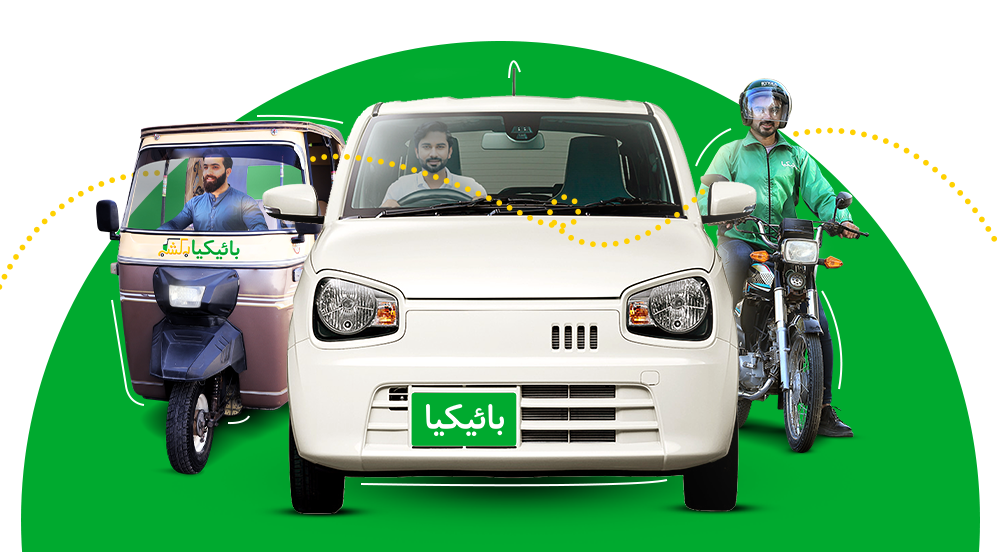
Pakistan’s ride-hailing market has undergone dramatic consolidation since 2024. What began as a battleground dominated by international giants Uber and Careem has evolved into a more diversified ecosystem where homegrown innovation and regional challengers now claim the largest market share. InDrive’s fare-negotiation model has captured nearly 40% of the Pakistani market by early 2026, while Yango’s aggressive driver incentives have attracted thousands of fleet operators. Meanwhile, Bykea—once dismissed as a niche bike courier—has transformed into the nation’s largest bike taxi service, moving over 2 million riders monthly across Karachi, Lahore, and Islamabad.
The appeal is pragmatic. With petrol prices hovering above PKR 300 per liter and urban congestion worsening, traditional car ownership feels increasingly untenable for Pakistan’s burgeoning middle class. Ride-sharing and bike taxis offer not just convenience but economic survival—a way to navigate 18-kilometer commutes from Gulshan-e-Iqbal to Clifton without the crushing costs of vehicle maintenance or parking nightmares in Defence Housing Authority.
Yet the market remains fragmented and competitive. New entrants like iRide and SWVL continue experimenting with corporate shuttle models and inter-city routes, while established players battle over driver retention amid regulatory uncertainty. For riders trying to determine the best taxi app in Karachi or the most reliable bike ride app in Islamabad, the choices have never been more abundant—or more confusing. This comprehensive guide ranks the top 10 ride-hailing and bike taxi services in Pakistan for 2026, based on real-time availability, user ratings, safety features, affordability, and performance in the country’s two largest metropolitan markets.
1. inDrive – The Disruptor That Became Market Leader
Overall Rating: 4.6/5 (Google Play, 2026) | Best For: Budget-conscious riders who enjoy negotiating fares

InDrive’s meteoric rise in Pakistan represents one of the most successful localized strategies in the global ride-hailing sector. Unlike traditional platforms where algorithms set prices, inDrive empowers riders to name their fare—drivers then accept, reject, or counter-offer. This bidding system resonates deeply in Pakistan’s haggling culture, where negotiation is less transaction and more social ritual.
Pros: Transparent fare negotiation eliminates surge pricing nightmares; extensive coverage across Karachi, Lahore, Islamabad, Faisalabad, and Multan; fastest driver acceptance rates (average 45 seconds); supports both cash and JazzCash/Easypaisa; minimal cancellation fees; strong driver retention due to fairer commission structure (15-20% vs. competitors’ 25-30%).
Cons: Quality inconsistency—vehicle standards vary wildly since drivers aren’t vetted as rigorously as premium services; no built-in insurance during rides; occasional fare disputes require customer service intervention; limited English-language support for international travelers.
Karachi Performance: Dominates middle-income neighborhoods like Gulistan-e-Jauhar, North Nazimabad, and Malir. Average fare from Saddar to Clifton: PKR 350-450. Wait times: 3-6 minutes during peak hours.
Islamabad Performance: Strong presence in residential sectors (F-6, G-9, I-8) and commercial zones. Blue Area to Bahria Town: PKR 600-800. Wait times: 4-8 minutes.
InDrive’s success hinges on economic empowerment—drivers keep more earnings, riders pay less. Recent market analysis by local tech publication Profit.com estimates the platform processes over 4 million rides monthly nationwide, with Karachi accounting for 45% of total volume. For budget-conscious commuters navigating Pakistan’s ride-sharing landscape, inDrive remains the pragmatic frontrunner.
2. Bykea – The Bike Taxi Giant
Overall Rating: 4.5/5 (App Store, 2026) | Best For: Quick, affordable rides through congested traffic

Bykea emerged from Karachi’s startup ecosystem in 2016 as a modest courier service. By 2026, it’s Pakistan’s undisputed bike taxi champion, operating the largest two-wheeler fleet in South Asia. The value proposition is elegantly simple: motorcycles navigate Karachi’s gridlock faster than cars, cost a fraction of traditional rides, and offer door-to-door convenience that public transport can’t match.
Pros: Unbeatable affordability (60-70% cheaper than car rides); fastest travel times during rush hour; widespread availability across Karachi’s 18 towns, plus expanding presence in Lahore, Islamabad, and Rawalpindi; integrated delivery services for food, groceries, and parcels; mandatory helmets provided; real-time GPS tracking; 24/7 availability.
Cons: Weather-dependent (monsoon season sees cancellations spike); limited luggage capacity; safety concerns for female riders traveling alone (though Bykea introduced female-driver options in 2025); two-passenger maximum; less comfortable for longer journeys (15km+).
Karachi Performance: Peak efficiency. Saddar to Clifton via bike: PKR 150-200 (vs. PKR 400+ for cars). Wait times: 2-5 minutes. Coverage extends to industrial zones like SITE and Korangi.
Islamabad Performance: Rapidly growing. Blue Area to Zero Point: PKR 120-180. Particularly popular among university students commuting to NUST, COMSATS, and Quaid-i-Azam University.
Bykea’s differentiation lies in its comprehensive service ecosystem—you can book a ride, order lunch, send documents, and pay utility bills through a single app. The company reports processing over 2.5 million bike rides monthly, with a 92% driver satisfaction rate attributed to competitive per-kilometer earnings. For navigating Karachi’s notorious traffic or Islamabad’s sprawling sectors, Bykea represents the best app for bike rides in Pakistan.
3. Yango – The Russian Challenger Gaining Ground
Overall Rating: 4.4/5 (Google Play, 2026) | Best For: Reliability and consistent vehicle quality

Yango, Yandex’s international ride-hailing arm, entered Pakistan in 2022 with modest ambitions. Four years later, it’s emerged as a formidable challenger to established players, particularly in Islamabad and Lahore’s affluent neighborhoods. The platform’s competitive advantage: aggressive driver incentives, stringent vehicle standards, and seamless payment integration with local wallets.
Pros: Superior vehicle quality—most drivers operate 2018+ models; consistent pricing with minimal surge (rare spikes above 1.5x); excellent English-language support; integration with major Pakistani banks and wallets; women-friendly features including female driver preferences and SOS buttons; comprehensive ride insurance up to PKR 500,000; loyalty rewards program.
Cons: Limited coverage outside major cities; slightly higher base fares than inDrive and Bykea; smaller driver pool means longer wait times in peripheral areas; occasional app glitches with GPS accuracy; fewer promotion codes than competitors.
Karachi Performance: Concentrated in upscale areas—Clifton, Defence, Gulshan-e-Iqbal. Average Saddar to DHA Phase 6: PKR 500-650. Wait times: 5-9 minutes.
Islamabad Performance: Strong across F-sectors and Bahria Town. Blue Area to F-10 Markaz: PKR 350-450. Particularly popular for airport transfers (Islamabad International to city center: PKR 1,200-1,500).
Yango’s growth strategy focuses on quality over quantity. The platform reportedly invests heavily in driver training programs covering customer service, navigation, and safety protocols. According to market observers at Dawn, Yango captured approximately 18% of Pakistan’s ride-hailing market by January 2026, with month-over-month growth rates exceeding competitors. For travelers seeking reliable, professional service—particularly expats and business commuters—Yango delivers premium reliability at competitive prices.
4. Careem – The Veteran Adapting to New Realities
Overall Rating: 4.3/5 (App Store, 2026) | Best For: Multi-service convenience and loyalty rewards

Careem’s journey in Pakistan mirrors the broader industry’s evolution. Once the unchallenged market leader following Uber’s 2016 exit from Pakistan operations, Careem was acquired by Uber in 2020 but maintained independent operations. By 2026, facing fierce competition from inDrive and Yango, Careem has pivoted toward becoming a super-app offering rides, food delivery (Careem Now), and digital payments (Careem Pay).
Pros: Most comprehensive city coverage including secondary cities like Sialkot, Gujranwala, and Peshawar; multiple service tiers (Go, Go+, Business) catering to different budgets; integrated food delivery reduces app-switching; established reputation and brand trust; Captain (driver) quality generally high; robust customer support with Urdu, English, and Punjabi options.
Cons: Higher pricing than inDrive and Bykea, particularly during peak hours; surge pricing can reach 2.5-3x base fares during events or bad weather; driver shortages in certain neighborhoods have increased wait times; cancellation rates remain problematic; commission structure has driven some top drivers to competitors.
Karachi Performance: Reliable across all districts. Saddar to Clifton: PKR 450-600. Wait times: 6-10 minutes during rush hour. Strongest presence in central and southern Karachi.
Islamabad Performance: Solid coverage with focus on F and G sectors. Blue Area to Rawalpindi Saddar: PKR 550-750. Airport service particularly dependable.
Careem’s enduring strength lies in institutional trust—many Pakistani families view it as the “safe” default option. The platform processed approximately 1.8 million monthly rides across Pakistan in early 2026, down from 2023 peaks but stabilizing through diversification. For occasional riders valuing brand recognition and multi-service convenience, Careem remains a solid, if no longer dominant, choice.
5. iRide – The Emerging Local Alternative
Overall Rating: 4.2/5 (Google Play, 2026) | Best For: Competitive pricing in Lahore and Islamabad

IRide represents Pakistan’s homegrown innovation—a locally developed platform launched in 2021 that’s steadily carved out market share by undercutting international competitors on price while maintaining reasonable service quality. The company’s lean operational model and focus on Pakistani cities’ specific needs have fostered surprising loyalty among regular commuters.
Pros: Consistently 15-20% cheaper than Careem and Yango; no surge pricing policy attracts riders during peak demand; simple, lightweight app performs well on budget smartphones; strong Lahore presence with expanding Karachi operations; driver-friendly commission rates (18%) encourage vehicle quality; accepts all major Pakistani payment methods including Sadapay and NayaPay.
Cons: Limited market penetration—primarily Lahore, Islamabad, and selected Karachi zones; smaller driver pool means occasional 15+ minute waits; basic safety features lacking advanced SOS integration; vehicle quality inconsistent outside prime hours; customer support response times lag competitors; minimal English support.
Karachi Performance: Growing but patchy—strong in Gulshan, North Nazimabad, less so in Clifton/Defence. Saddar to Gulshan-e-Iqbal: PKR 300-400.
Islamabad Performance: Surprisingly robust. Blue Area to Bahria Town: PKR 550-700. Popular among government employees and students due to predictable pricing.
IRide’s trajectory suggests potential. Local business publication Profit reported the company secured $12 million in Series A funding in late 2025, earmarked for Karachi expansion and safety feature upgrades. For price-sensitive riders in Lahore and Islamabad willing to sacrifice some convenience for affordability, iRide offers compelling value.
6. Airlift (Operational Status: Limited After 2022 Shutdown)

Note: While Airlift was once a promising mass transit option with fixed bus routes and premium shuttle services, the company ceased primary operations in 2022 following funding challenges. However, some corporate shuttle contracts reportedly continue on a limited basis in Lahore and Islamabad for enterprise clients. Given its minimal presence in the 2026 consumer market, Airlift ranks lower but warrants mention for readers researching Pakistan’s evolving mobility landscape.
6. SWVL – The Inter-City and Corporate Shuttle Specialist
Overall Rating: 4.1/5 (Google Play, 2026) | Best For: Fixed-route commutes and airport transfers

SWVL operates in a different category than traditional ride-hailing—it’s a semi-public transport hybrid offering fixed routes, scheduled departures, and shared rides at pre-set fares. The Egyptian company entered Pakistan in 2019 and found its niche serving corporate campuses, university students, and airport commuters seeking predictable, affordable group transport.
Pros: Extremely affordable for longer routes (Karachi Airport to Clifton: PKR 250-350 per person); comfortable, air-conditioned coaches; fixed schedules reduce waiting uncertainty; good for regular commuters on established routes; safe for solo female travelers due to vetted drivers and tracked vehicles; corporate partnerships make it ideal for office shuttles.
Cons: Limited route flexibility—you go where SWVL goes; fixed departure times don’t suit spontaneous travel; availability concentrated around major hubs (airports, universities, business districts); booking typically required hours in advance; less useful for intracity point-to-point rides; operational hours restricted (primarily 6am-10pm).
Karachi Performance: Strongest at Jinnah International Airport and major corporate zones (Clifton, I.I. Chundrigar Road). Popular for port/industrial area workers.
Islamabad Performance: Focused on Islamabad International Airport routes and sector-to-sector commutes (F-9 to Blue Area, G-11 to Bahria Town).
SWVL’s value proposition targets specific use cases rather than general-purpose rides. For daily commuters on predictable routes—particularly those traveling from residential suburbs to central business districts—SWVL’s scheduled service and pooled pricing ($30-50% cheaper than solo rides) make compelling economic sense.
7. Uber Pakistan (Legacy Brand, Reduced Presence)
Overall Rating: 4.0/5 (App Store, 2026) | Best For: International travelers with existing Uber accounts

Uber’s Pakistan presence has diminished significantly since its 2020 merger with Careem. While the Uber app technically functions in major Pakistani cities through Careem’s backend, it’s essentially a rebranded Careem experience with Uber interface. International visitors appreciate continuity with their global Uber accounts, but locals have largely migrated to cheaper alternatives.
Pros: Seamless for travelers with international Uber profiles; single app works across 70+ countries; established payment methods (credit cards) work reliably; English-language support superior to most local alternatives; brand familiarity reduces learning curve.
Cons: Effectively identical to Careem but with less localized features; fewer promotional offers than standalone Careem app; higher pricing than inDrive, Bykea, iRide; driver availability lower than dedicated platforms; Urdu support weaker than competitors.
Performance: Mirrors Careem’s coverage and pricing across Karachi and Islamabad. Primarily used by expats, business travelers, and returning overseas Pakistanis.
For the 95% of Pakistani riders using local payment methods and seeking optimal value, dedicated platforms outperform Uber. However, for international visitors spending 3-7 days in Karachi or Islamabad, the convenience of existing payment integration and familiar interface offers tangible benefits.
8. Ryd – The Newcomer Targeting Women Riders
Overall Rating: 3.9/5 (Google Play, 2026) | Best For: Female passengers prioritizing safety

Ryd launched in Lahore in 2023 with a specific mission: creating Pakistan’s first women-focused ride-hailing platform. While other services offer female driver options, Ryd makes it the default, with all drivers completing enhanced background checks and mandatory sensitivity training. By 2026, operations expanded to Karachi and Islamabad, though coverage remains limited compared to market leaders.
Pros: Female drivers exclusively (optional male drivers for families); rigorous driver vetting including police clearances and references; SOS button directly connects to Punjab Police and Sindh Police emergency lines; ride-sharing verification—friends/family can track trips live; built-in recording features for safety; community-driven ratings emphasize respectful behavior.
Cons: Smallest driver pool among ranked services leads to 10-20 minute waits; limited geographic coverage, especially in peripheral neighborhoods; 10-15% premium pricing over competitors; operational hours restricted in some areas (primarily 7am-11pm); slower app performance; growing pains as platform scales.
Karachi Performance: Concentrated in Gulshan, Defence, Clifton. Saddar to DHA: PKR 550-700. Best for daytime/evening rides; overnight service sporadic.
Islamabad Performance: Decent coverage in F and G sectors. Blue Area to F-10: PKR 400-550. Popular among working professionals and students.
Ryd addresses a genuine market need. Research by Express Tribune highlights that 67% of Pakistani women cite safety concerns as a barrier to using ride-hailing services. For female passengers prioritizing security over price or speed—particularly for nighttime travel—Ryd’s focused approach provides meaningful peace of mind, albeit with tradeoffs in availability and cost.
9. Bao Taxi (Regional Service, Limited Expansion)
Overall Rating: 3.8/5 (Google Play, 2026) | Best For: Budget rides in specific Lahore neighborhoods
Bao Taxi operates primarily in Lahore with minimal presence in Islamabad and virtually none in Karachi. This hyperlocal focus allows competitive pricing in its core market but limits utility for travelers needing cross-city reliability. The platform targets working-class neighborhoods where inDrive and Bykea operate, competing primarily on price.
Pros: Among the cheapest ride options in Lahore’s middle-income areas; accepts pure cash payments (no digital wallet required); simple interface suitable for first-time app users; no cancellation fees; localized knowledge—drivers know Lahore’s mohallas intimately.
Cons: Geographic limitations cripple usefulness for most travelers; vehicle quality highly variable; no safety features like GPS sharing or emergency contacts; customer support virtually nonexistent; frequent app crashes reported; driver availability inconsistent; no service differentiation (single ride type only).
Lahore Performance: Viable in areas like Johar Town, Model Town, Township. Mall Road to Allama Iqbal Town: PKR 250-350.
Islamabad/Karachi Performance: Negligible presence renders it impractical.
Bao Taxi’s viability depends entirely on staying within its Lahore stronghold. For Karachi or Islamabad residents, or travelers visiting multiple cities, this platform offers minimal value. Even in Lahore, competitors provide superior service with comparable pricing.
10. Traditional Taxi Services (Radio Cab, Metro Radio Cab)
Overall Rating: 3.5/5 (Aggregate) | Best For: Travelers preferring phone bookings over apps
Pakistan’s pre-app era taxi dispatch services like Radio Cab and Metro Radio Cab survive in diminished form, serving primarily older demographics uncomfortable with smartphone apps and tourists seeking hotel-arranged transportation. These services offer phone booking, fixed service points at airports and major hotels, and familiar yellow-and-black vehicles.
Pros: No smartphone required—phone bookings suffice; established presence at airports and five-star hotels; drivers generally experienced with tourist needs; English-speaking dispatchers available; meters provide transparent fare calculation (though negotiation remains common); some vehicles better maintained than bottom-tier app rides.
Cons: Significantly more expensive than app-based alternatives (often 40-50% premiums); limited availability outside premium locations; no GPS tracking or digital safety features; cash-only payments; booking requires human interaction and waiting on hold; no driver ratings or accountability systems; surge pricing exists but isn’t transparent.
Karachi Performance: Available at Jinnah Airport, Pearl Continental, Marriott, Movenpick. Airport to Clifton: PKR 1,500-2,000 (vs. PKR 600-800 on apps).
Islamabad Performance: Found at Islamabad International Airport, Serena Hotel, Islamabad Marriott. Airport to city: PKR 2,500-3,000 (vs. PKR 1,200-1,500 on apps).
Traditional taxis occupy a shrinking niche—primarily serving international business travelers with corporate accounts, elderly residents without smartphones, and tourists preferring human contact over app interfaces. For digitally comfortable travelers, the premium charged rarely justifies the convenience, especially given app-based services’ superior pricing transparency and safety features.
Why InDrive Leads the Market in 2026
InDrive’s dominance reflects deeper economic and cultural realities shaping Pakistan’s ride-hailing evolution. The platform’s fare-negotiation model taps into behavioral patterns embedded across Pakistani commerce—from fruit vendors in Saddar’s markets to carpet sellers in Anarkali bazaar. This cultural alignment creates intuitive user experience that competitors’ algorithm-driven pricing can’t replicate.
Economically, inDrive’s lower commission structure (15-20% vs. industry standard 25-30%) attracts drivers squeezed by fuel inflation and vehicle maintenance costs. Interviews with Karachi drivers reported by Dawn reveal many operate on both inDrive and Careem, but prioritize inDrive requests due to higher net earnings per kilometer. This driver preference translates directly into rider experience—more available vehicles, faster pickups, and higher acceptance rates.
The platform’s success also reflects timing. InDrive entered Pakistan in 2019, just as Careem’s post-acquisition integration created service gaps and pricing frustration. By positioning as the “driver-first” alternative, inDrive captured disaffected drivers and price-sensitive riders simultaneously—a powerful network effect that’s proven difficult for competitors to counter.
Best Bike-Specific Options for Karachi Traffic
Karachi’s unique geography—sprawling metropolis with limited mass transit, chronic congestion, and 18 towns connected by overloaded arteries—creates perfect conditions for two-wheeler transport. Motorcycles navigate traffic at double car speeds, access narrow galis (lanes) cars can’t enter, and park almost anywhere.
Bykea dominates this segment through first-mover advantage and comprehensive service integration. The platform’s 2026 fleet reportedly exceeds 150,000 registered drivers, with concentrations in high-demand routes: Saddar-Clifton, Gulshan-North Nazimabad, Malir-Korangi. Wait times average 2-4 minutes during rush hour—unmatched by any car service.
Safety concerns, particularly for female riders, remain Bykea’s primary challenge. The company introduced women-driver options in 2025, though female driver supply remains limited (approximately 8% of total fleet). Mandatory helmet provision, GPS tracking, and SOS features provide baseline protection, but cultural barriers to women riding pillion with male strangers persist.
InDrive offers bike options in select Karachi zones but lags Bykea’s coverage and specialization. Ryd piloted female-driven bike service in late 2025 but availability remains experimental. For the foreseeable future, Bykea represents the best app for bike rides in Karachi—provided riders accept inherent two-wheeler risks and weather dependencies.
Safety, Pricing Trends, and Regulatory Outlook
Safety Evolution
Pakistan’s ride-hailing sector has matured significantly since early days marked by driver misconduct and passenger security concerns. Most platforms now mandate:
- Real-time GPS tracking shareable with emergency contacts
- In-app SOS buttons connecting to police emergency lines
- Driver background checks including NADRA verification and police clearances
- Two-way rating systems enforcing accountability
- 24/7 customer support hotlines
However, implementation varies. Yango and Careem enforce stricter vehicle inspection schedules and driver training than budget competitors like Bao Taxi or some inDrive drivers. Female safety remains inconsistent—while Ryd and select Yango/Careem rides offer female drivers, supply constraints mean most women still ride with male drivers.
Advocacy groups interviewed by Express Tribune recommend travelers—particularly solo female riders—prioritize platforms with verified driver profiles, share trip details with family/friends, sit in back seats, and avoid rides late at night in peripheral neighborhoods.
Pricing Dynamics
Pakistan’s ride-hailing pricing reflects volatile macroeconomic factors: petrol subsidies, exchange rate fluctuations, and inflation pressure on operating costs. Base fares have risen 25-30% since 2023, though competition prevents platforms from fully passing costs to riders.
InDrive’s negotiation model allows riders to propose fares below algorithmic baselines during off-peak hours—creating actual market pricing rather than platform-imposed rates. This flexibility attracts budget-conscious commuters but frustrates drivers during high-demand periods when they’d otherwise earn surge premiums.
Subscription models emerged in 2025 as loyalty retention tools. Careem’s “Careem Plus” offers discounted rides for monthly fees, while Yango piloted corporate accounts for frequent business travelers. These memberships particularly benefit daily commuters doing 40+ rides monthly.
Regulatory Landscape
Pakistan’s ride-hailing regulation remains fragmented across provincial jurisdictions. Punjab passed comprehensive Transportation Network Companies (TNC) regulations in 2023, requiring formal licensing, driver training standards, and insurance minimums. Sindh followed with similar framework in 2024, though enforcement remains inconsistent.
Key regulatory debates in 2026 focus on:
- Driver classification: Traditional employment vs. independent contractor status affects benefits and platform liability
- Insurance requirements: Minimum coverage thresholds for passenger protection during rides
- Data privacy: Regulations governing rider information storage and sharing
- Fare regulation: Whether provinces should set minimum/maximum fares or allow market dynamics
- Vehicle standards: Age limits, emission requirements, accessibility mandates
Islamabad Capital Territory’s proposed TNC ordinance, debated through 2025-2026, could establish federal precedent. Stakeholders include platform companies resisting heavy regulation, driver associations demanding employment protections, and consumer advocates prioritizing safety and fair pricing.
Choosing the Right Service: Practical Recommendations
For budget-conscious daily commuters: inDrive’s negotiation model and Bykea’s bike service offer unbeatable value. Expect to save 30-50% versus premium services over monthly usage.
For safety-prioritizing female travelers: Ryd (where available), Yango’s female driver option, or Careem’s verified Captains provide additional security layers worth modest premiums.
For airport transfers and reliability: Yango and Careem’s consistent vehicle quality and driver professionalism justify higher fares when punctuality matters (business meetings, flight departures).
For navigating Karachi’s traffic: Bykea’s bikes cut travel times by 40-60% during rush hour—invaluable for time-sensitive appointments.
For occasional riders/tourists: Careem or Yango’s English support, international payment acceptance, and established reputation reduce friction for infrequent users unfamiliar with Pakistani context.
For corporate/group travel: SWVL’s fixed routes and shuttle services provide predictable, economical transportation for office commutes or airport groups.
The Future of Pakistani Urban Mobility
Pakistan’s ride-hailing market stands at an inflection point. Current leaders face mounting pressures: driver dissatisfaction over commissions, regulatory uncertainty, rising operational costs, and infrastructure deficits constraining expansion. Yet demand continues accelerating as urbanization, youth demographics, and smartphone penetration create expanding customer bases.
Electric vehicle integration represents the sector’s next frontier. Several platforms piloted electric bike and car trials in 2025, though Pakistan’s limited charging infrastructure and high EV costs (even for two-wheelers) constrain rapid adoption. Government incentives announced in late 2025 may accelerate this transition through 2027-2030.
Consolidation appears inevitable. InDrive, Yango, and Bykea possess scale and funding to sustain competition, but smaller players like iRide and Bao Taxi face existential pressures. Strategic mergers—similar to Uber-Careem’s 2020 combination—would reduce fragmentation while potentially raising prices.
Most fundamentally, Pakistan’s mobility evolution depends on addressing root infrastructure deficits: inadequate public transit, poor road maintenance, and absence of integrated transportation planning. Ride-hailing apps provide elegant technological solutions, but they’re band-aids over systemic urban challenges requiring sustained policy focus and investment.
For now, Pakistani commuters benefit from unprecedented choice, competitive pricing, and improving service quality across the nation’s best taxi apps and bike ride platforms. The 2026 market—fragmented yet dynamic—rewards informed consumers willing to experiment across platforms, negotiate fares, and prioritize service attributes matching their specific needs. Whether navigating Karachi’s coastal expressways or Islamabad’s grid-planned sectors, riders have never had better tools for conquering Pakistani cities’ mobility challenges.
Discover more from Vagabond Diaries
Subscribe to get the latest posts sent to your email.


