
Destinations
Essential Digital Nomad Tools and Remote Work Travel Gear for 2026 Wanderers

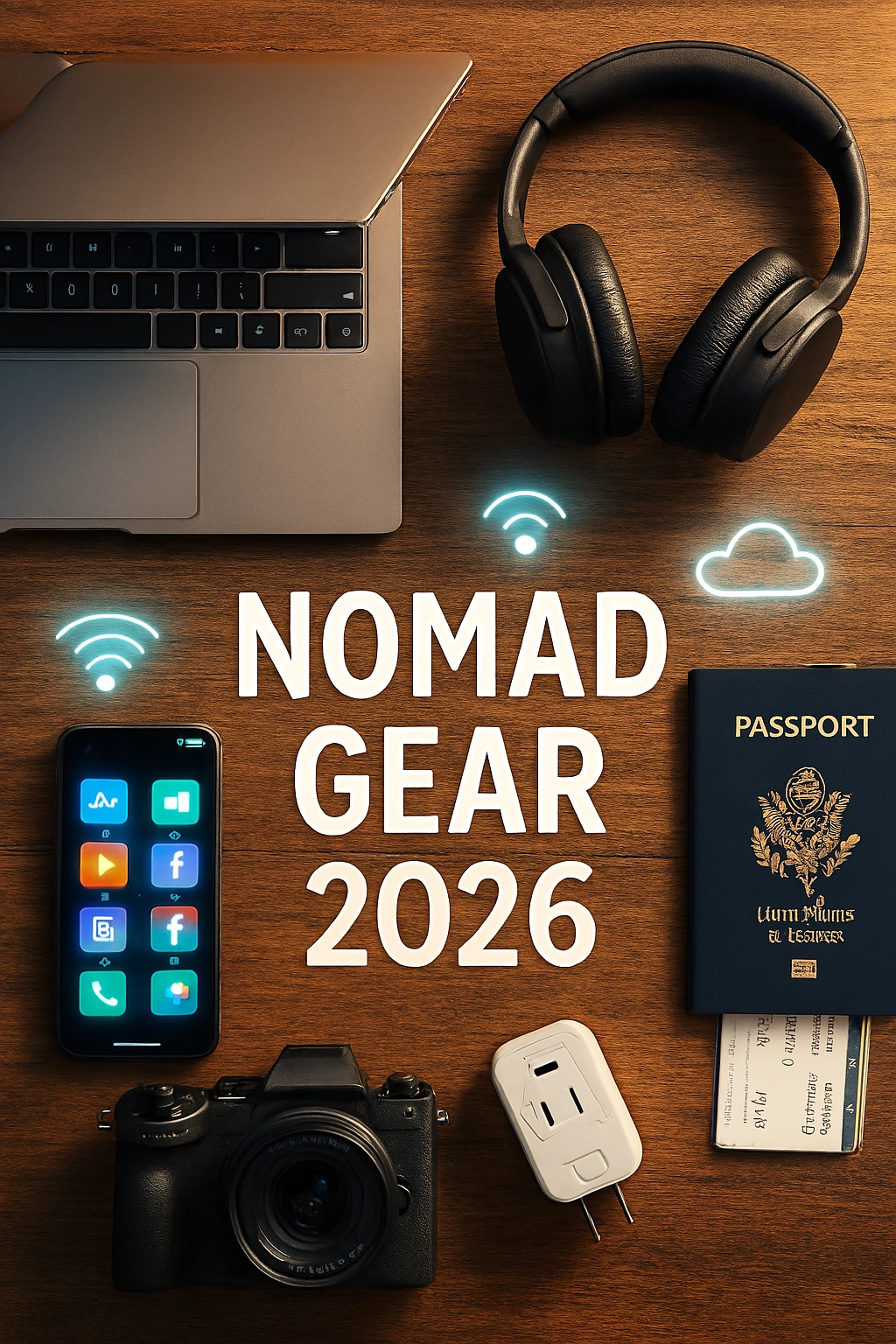
As a veteran vagabond who has spent the better part of a decade chasing horizons—from the bustling co-working cafes of Lisbon to the serene beaches of Bali—I’ve learned that true freedom on the road comes not from escaping the desk, but from mastering it wherever you land. In January 2026, with an estimated 45 million digital nomads worldwide (projected to surpass 60 million by 2030), the lifestyle has evolved far beyond its early backpacker roots. It’s now a sophisticated blend of productivity, sustainability, and technological ingenuity.
I remember my first tentative steps into nomadism in 2018: a clunky laptop, unreliable Wi-Fi hotspots, and a backpack that felt like carrying a small elephant. Fast forward to today, and the best digital nomad tools for 2026 have transformed remote work into something seamless, efficient, and even environmentally conscious. This guide draws from my own hard-won experiences across continents, combined with rigorous analysis of emerging trends—like the rise of AI-integrated workflows and eco-friendly gear—to help you curate your own toolkit for the year ahead.
Whether you’re eyeing Colombia’s vibrant cities or Latvia’s emerging nomad hubs, these remote work travel gear essentials will keep you connected, productive, and light on your feet.
The Landscape of Digital Nomadism in 2026: Data and Trends
Before diving into the gear, context matters. According to recent reports, around 18 million Americans now identify as digital nomads, with global numbers swelling amid expanding visa programs in countries like Spain, Portugal, and newcomers such as Kenya and Slovenia. Trends point toward “slowmads”—longer stays in micro-communities rather than frantic hops—and heightened focus on tax compliance and work-life integration.
Sustainability is no longer a niche concern; with climate awareness peaking, nomads are prioritizing gear made from recycled materials. Meanwhile, AI tools are automating routine tasks, freeing us to focus on creative, high-value work. These shifts inform every recommendation here, ensuring your setup isn’t just functional but future-proof.
Best Digital Nomad Tools 2026: Apps and Software Essentials
The foundation of any nomad setup is software that works offline when needed and syncs flawlessly online.
Connectivity Lifelines
Reliable internet is non-negotiable. eSIM providers like Airalo or Holafly have become indispensable, allowing instant activation in over 200 countries without swapping physical cards. Pair this with a portable travel router (many now feature built-in VPNs) for secure public Wi-Fi.
In my experience hopping between Medellín co-living spaces and rural Costa Rican retreats last year, an eSIM saved me hours of frustration—and costly roaming fees.
Productivity Powerhouses
Notion remains a favorite for its all-in-one workspace, but 2026 sees deeper AI integration: automated databases, smart summaries, and task predictions. Alternatives like Asana or Trello excel for team collaboration, while Slack keeps communication flowing.
For financial management, Revolut or Wise handle multi-currency transfers seamlessly, with apps like YNAB helping budget across fluctuating costs of living.
AI-Integrated Tools Revolutionizing Workflows
This is where 2026 truly shines. Tools like Perplexity for research, Claude or ChatGPT for drafting, and Otter.ai for transcribing calls have become essential. Grammarly’s advanced AI now catches tone nuances across cultures—vital when emailing international clients.
I’ve automated 40% of my content creation with these, turning a chaotic schedule in Thailand into streamlined output. As one expert analysis notes, AI isn’t replacing nomads; it’s amplifying our independence.
Portable Tech for Nomads: Gadgets That Earn Their Weight
Hardware must be lightweight, durable, and versatile.
Noise-Cancelling Headphones
Cafe noise in Lisbon or street bustle in Bangkok? Sony’s latest WH-1000XM series (or Bose equivalents) block it all while delivering crystal-clear calls.
Portable Monitors and Ergonomics
A second screen boosts productivity dramatically. Lightweight 15-inch portable monitors (often touchscreen and USB-C powered) turn any table into a dual-setup office. Add a compact laptop stand for posture—I’ve avoided back pain on long flights this way.
Power Solutions
GaN (Gallium Nitride) chargers are game-changers: 100W+ multi-port models juice laptops, phones, and earbuds simultaneously from one brick. Anker or Satechi lead here.
As per Wirecutter’s expert testing on work-from-anywhere essentials, compact power solutions are critical for reliability on the road.^15
Remote Work Travel Gear Essentials: Bags, Adapters, and Sustainable Choices
Your bag is your mobile home—choose wisely.
The Sustainable Remote Work Backpack
Eco-consciousness drives 2026 selections. The Cotopaxi Allpa 35L, made from recycled fabrics, offers organized compartments and carry-on compliance. It’s rugged enough for Patagonia treks yet sleek for European trains.
Peak Design’s 45L expandable backpack excels for longer stays, with magnetic pockets and weatherproofing. Nomatic’s Travel Pack, designed explicitly for nomads, features RFID-safe pockets and tech organization.
Wirecutter praises the Cotopaxi and Peak Design for durability and features in their carry-on roundup.^53
Pack Hacker’s comprehensive digital nomad packing list echoes these for one-bag travel.^16
Universal Adapters and Extras
A Ceptics universal adapter with USB ports covers every plug type. Add a slim power strip for shared hostel outlets.
Carryology highlights tech-friendly accessories like these in their must-have guide.^6
Real-World Tips from a Decade on the Road
Theory is fine; experience is better. Here’s what I’ve learned:
- Test Before Committing: Spend a week simulating nomad life locally. I once bought an expensive monitor that overheated in humid climates—lesson learned.
- Backup Everything: Triple redundancy (cloud + external drive + offline) saved me during a Bali blackout.
- Prioritize Sustainability: Opt for brands like Cotopaxi, which donate proceeds to communities. Small choices reduce your footprint amid rising travel emissions.
- Community Matters: Apps like Meetup or nomad forums combat isolation. In 2025, joining a micro-community in Bulgaria transformed a solo trip into lasting connections.
- Health and Ergonomics: Invest in a Roost laptop stand or similar. Chronic issues from poor setups sidelined me for weeks in Portugal.
CitizenRemote’s 2025 essentials blog underscores similar practical advice for tools and routines.^7
The US Chamber of Commerce highlights top productivity tools for remote efficiency.^8
Conclusion: Crafting Your Nomad Freedom in 2026
The best digital nomad tools and remote work travel gear for 2026 aren’t about accumulating gadgets—they’re about curating a system that supports your unique rhythm. From AI streamlining workflows to sustainable backpacks carrying your world, these essentials have evolved to match our maturing lifestyle.
As I sit here drafting this from a cliffside cafe in New Zealand—one of 2026’s trending destinations—I can attest: the right setup doesn’t just enable work; it enhances the wonder of wandering.
Pack light, think sustainably, embrace AI, and the world remains your office. Safe travels, fellow wanderers.
Discover more from Vagabond Diaries
Subscribe to get the latest posts sent to your email.