
Budget
Shelf Discovery Travel: Why Exploring Local Supermarkets is the Ultimate Cultural Adventure

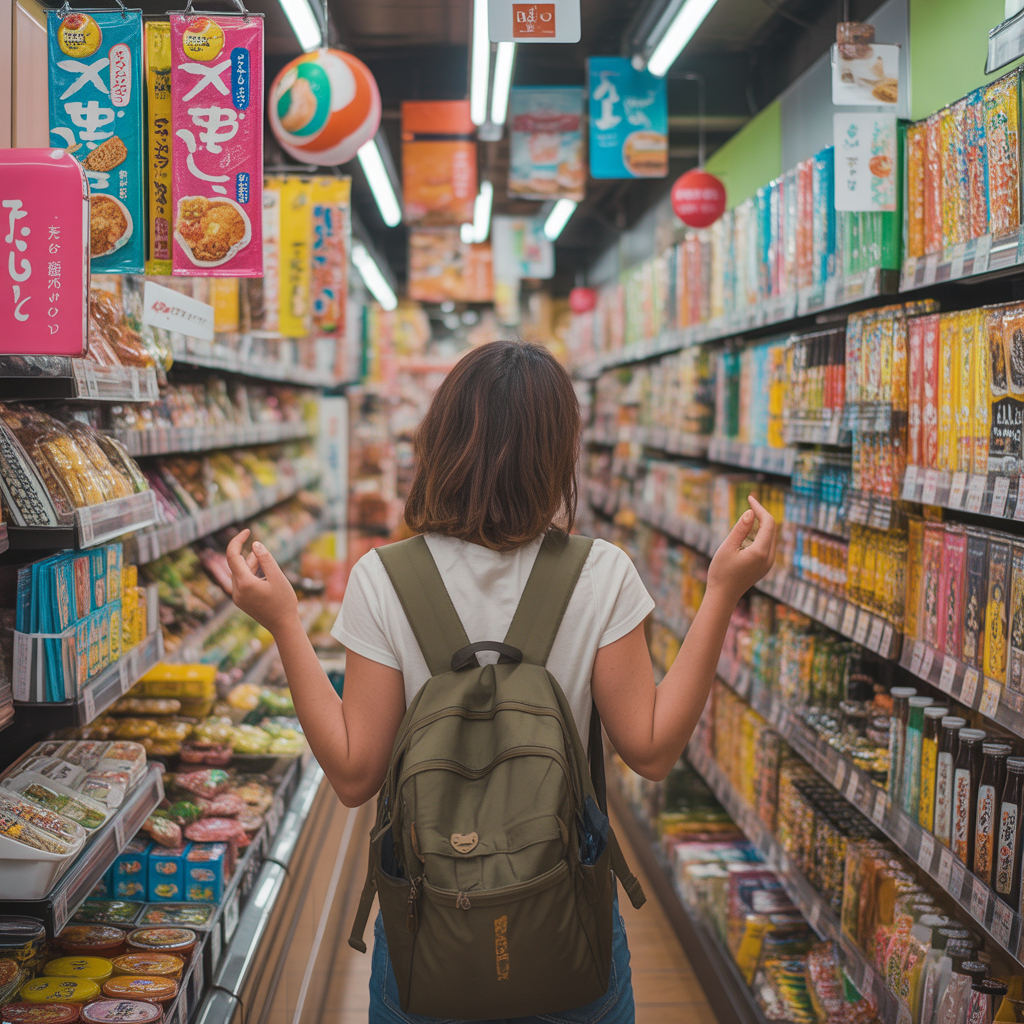
Discover why shelf discovery travel through local supermarkets reveals authentic cultural experiences. Learn expert tips for exploring grocery stores worldwide for meaningful travel connections.
When I first stepped into a 7-Eleven in Tokyo’s Shibuya district at 2 a.m., something unexpected happened. Surrounded by perfectly arranged onigiri rice balls, steaming oden hotpots, and rows of mysterious beverages with indecipherable labels, I experienced a moment of pure cultural immersion that no museum visit had ever delivered. The elderly salaryman beside me methodically selected his midnight snack with the precision of a sommelier choosing wine. In that fluorescent-lit convenience store, I wasn’t watching Japanese culture from behind a velvet rope—I was standing right in the middle of it.
This is shelf discovery travel, and it’s quietly revolutionizing how we experience destinations. According to recent surveys, 55 percent of U.S. travelers always or often visit local supermarkets abroad, treating these mundane spaces as windows into authentic daily life. The phenomenon represents a fundamental shift in how we seek authenticity while traveling—one that Atlas Obscura has championed through its focus on hidden wonders and off-the-beaten-path cultural experiences.
Why Supermarkets Are the New Cultural Museums
Walk past the Louvre, and you’ll find tourists. Walk into a Carrefour at 6 p.m. on a Wednesday, and you’ll find Parisians. The difference matters.
Traditional cultural institutions curate what outsiders should know about a place. Supermarkets reveal what locals actually care about. The cereal aisle in an American Publix stretches for fifty feet, while a Cape Town Pick n Pay dedicates the same space to muesli and rusk biscuits. These aren’t random merchandising decisions—they’re cultural anthropology in action.
The Smithsonian Magazine has long documented how food and daily consumption patterns reveal deeper insights into cultural values and social structures. When Japanese convenience stores stock fresh onigiri delivered multiple times daily, or Norwegian supermarkets dedicate entire sections to preserved fish, they’re documenting cultural priorities more honestly than any guidebook.
National Geographic’s cultural anthropology work emphasizes that everyday market exchanges shape daily lives and reveal patterns about what societies value. Museums tell you about a culture’s past achievements. Grocery stores show you what people eat for breakfast tomorrow.
Consider what shelves reveal about cultural values. German discount chains like Aldi and Lidl pioneered the no-frills approach, products stacked in shipping boxes rather than artfully arranged. This isn’t laziness—it’s efficiency as a cultural value, prioritizing low prices over theatrical presentation. Meanwhile, Swiss chains like Migros and Coop maintain spotless stores with meticulously organized displays, reflecting Switzerland’s famous attention to detail and quality standards.
The psychology goes deeper. What appears on supermarket shelves directly reflects collective concerns. During research across European markets, stores in countries like Germany showcase strong sustainability initiatives and eco-friendly packaging, while Mediterranean markets emphasize fresh local produce and regional specialties. These differences aren’t arbitrary—they’re cultural DNA made tangible.
Food anthropologists have long understood that cuisines tell stories about geography, history, and values. Supermarkets simply aggregate these stories in one climate-controlled space, adding layers of economic data, consumer behavior, and social priorities.
The Art of Shelf Discovery Travel: A Practical Guide
Best Practices for Supermarket Exploration
The best supermarket visits happen when you approach them with intentionality rather than necessity. I’ve developed a systematic approach after exploring grocery stores across four continents.
First, timing matters tremendously. Visit between 5 p.m. and 7 p.m. on weekdays to observe local shopping rhythms—the hurried parent grabbing ingredients for tonight’s dinner, the elderly couple carefully comparing prices, the teenager stocking up on snacks. These aren’t tourist performances. They’re unscripted cultural moments.
Early mornings offer different insights. Watch how staff restock shelves, which products receive prime real estate, and how displays change with the seasons. Japanese convenience stores revolutionized the retail experience by introducing 24-hour operations and fresh food delivery multiple times daily, creating a fascinating window into Japanese work culture and consumer expectations.
Budget at least 30 to 45 minutes for a thorough exploration, longer for hypermarkets. This isn’t speed shopping—it’s cultural fieldwork. Move methodically through every section, noting not just what’s present but what’s conspicuously absent.
What to Look For: Reading Cultural Clues
The bread section alone writes volumes. French supermarkets stock dozens of artisanal loaves, often with in-store bakeries filling the air with fresh-baked aromas. German stores feature dense, seed-packed Vollkornbrot that keeps for days. Asian markets might barely have a bread section at all, dedicating that space to rice varieties instead.
Beverage aisles reveal surprising truths. Scandinavian stores carry more shelf-stable milk products than fresh, reflecting both climate considerations and shopping habits. Japanese vending machines and konbini offer hot canned coffee in winter—a detail that illuminates commuter culture and seasonal adaptability.
The prepared foods section deserves special attention. British supermarkets excel at meal deals and sandwich combinations that cater to lunch-break efficiency. Japanese convenience stores elevate prepared food to an art form, with items like egg salad sandwiches praised even by famous chefs, demonstrating national obsessions with quality and attention to detail.
Price tags tell economic stories. Compare the cost of basic staples across neighborhoods within the same city. Notice which items receive prominent sale signage. Observe package sizes—American bulk packaging versus European portion control—and what these suggest about storage space, shopping frequency, and household structures.
Packaging design communicates cultural aesthetics. Minimalist Japanese designs with clean lines and muted colors. Vibrant Indian snack packets bursting with color and pattern. Scandinavian products emphasizing natural materials and sustainability messaging. Each design philosophy reflects broader cultural values about consumption, waste, and visual communication.
Photography Ethics and Tips
Photographing supermarkets requires sensitivity. Most stores prohibit photography due to proprietary concerns about pricing and layouts. However, many employees will permit discreet photos if you explain your interest in cultural documentation.
Always ask permission first, ideally from a manager. Frame your request around cultural curiosity rather than commercial purposes. I’ve found that explaining “I’m documenting food culture during my travels” opens more doors than pulling out a camera without warning.
When photographing, avoid capturing faces without consent and steer clear of employees during work. Focus on products, displays, signage, and architectural details. The goal is documenting cultural artifacts, not surveilling people.
Some countries have stricter photography norms than others. Japan generally accepts public photography but values discretion. Middle Eastern countries may have religious or privacy concerns. When in doubt, photograph less and observe more—the memories prove equally valuable.
Language Barriers and How to Navigate Them
Foreign supermarkets without translation apps would have stumped me a decade ago. Today, smartphone tools like Google Translate’s camera function instantly decode packaging. Point your phone at a mysterious Japanese snack, and suddenly you understand it’s wasabi-flavored potato sticks.
But I’ve learned not to rely exclusively on technology. Part of shelf discovery’s magic lies in encountering the genuinely unknown. That mysterious purple beverage might be elderflower cordial or purple yam milk—discovering which through trial becomes part of the adventure.
Learn basic food vocabulary in local languages before traveling. Ten minutes studying words like “milk,” “bread,” “spicy,” and “chicken” prevents most disasters while preserving the exploration experience.
Store employees often surprise with their helpfulness. My broken Spanish in a Buenos Aires supermercado led to a 20-minute conversation with a clerk who explained regional empanada fillings and recommended her favorite brands. These interactions transform shopping into genuine cultural exchange.
Don’t fear purchasing mistakes. I’ve bought vinegar thinking it was apple juice and fish-flavored potato chips instead of plain. Each error taught me to read packaging more carefully while providing dinner party stories for years.
Regional Deep Dives: Supermarkets Around the World
Asian Convenience Stores: The Konbini Revolution
Japan’s convenience stores serve over 50,000 locations nationwide, functioning as far more than mere shops. These konbini represent a cultural institution, where you can pay bills, print documents, ship packages, withdraw money, buy concert tickets, and grab a gourmet-level meal—all while your fried chicken stays hot in a temperature-controlled case.
The first 7-Eleven opened in Tokyo’s Toyosu district in 1974, launching a convenience revolution that reshaped Japanese daily life. The innovation stemmed from understanding Japanese urban lifestyles—long work hours, small apartments, and limited cooking facilities.
Three major chains dominate: 7-Eleven, FamilyMart, and Lawson, each with distinct personalities. FamilyMart’s fried chicken (famichiki) inspires cult devotion. Lawson caters to pastry lovers with extensive bakery selections. 7-Eleven offers the most comprehensive services, including international ATMs that actually accept foreign cards—a rarity in Japan.
Korean convenience stores like GS25 and CU (formerly FamilyMart Korea) follow similar models but emphasize different products. Expect more instant ramyeon varieties, Korean street food items like tteokbokki, and refreshing beverages suited to humid summers. The stores function as unofficial teenage hangouts, equipped with tables and microwaves where students gather after school.
European Hypermarkets and Local Markets
Europe’s supermarket landscape divides dramatically by region. Germany operates Europe’s largest grocery market at over 200 billion euros, dominated by discount retailers like Aldi and Lidl. These German efficiency machines built global empires by stripping retail to its essence—limited selections, warehouse aesthetics, house brands, and rock-bottom prices.
French hypermarkets present the opposite philosophy. Carrefour and E.Leclerc operate massive spaces combining groceries with electronics, clothing, and seasonal goods. The first European hypermarket opened in France in 1963, pioneering a retail format that would spread globally. Shopping at a French hypermarché feels less like grocery shopping and more like visiting a department store that happens to sell excellent cheese.
British supermarkets occupy middle ground. Tesco, Sainsbury’s, and Asda blend American-style convenience with European quality consciousness. The “meal deal” culture—a sandwich, snack, and drink bundled for lunch—perfectly captures British pragmatism. These stores also excel at prepared Indian and Chinese meals, reflecting the UK’s multicultural food scene.
Scandinavian markets emphasize sustainability and quality. Norwegian stores stock extensive seafood selections—dried cod, pickled herring, smoked salmon—reflecting coastal heritage. Swedish ICA stores feature impressive organic sections and climate-conscious labeling, while Finnish S-market chains incorporate Russian influences in border regions.
Southern European markets celebrate local products and freshness. Italian Conad and Coop stores showcase regional specialties—Parmigiano-Reggiano from Emilia-Romagna, balsamic vinegar from Modena, San Marzano tomatoes from Campania. Spanish Mercadona stores organize by meal occasion rather than product category, suggesting recipe ideas through proximity.
Latin American Mercados and Supercenters
Latin American grocery culture blends traditional markets with modern supercenters. In Mexico City, you’ll find both massive Walmart-owned Bodega Aurrera stores and neighborhood tiendas stocking local favorites. The contrast illuminates economic stratification and shopping preferences.
Argentine supermarkets reflect the nation’s beef culture and Italian immigration. Expect extensive meat counters with cuts Americans rarely see, plus pasta and dulce de leche sections that dwarf most categories. The quilmes beer refrigerators stand as large as entire beverage aisles elsewhere.
Brazilian markets embrace tropical abundance. Fruit sections explode with açaí, cupuaçu, jabuticaba, and dozens of varieties foreign visitors can’t identify. The prepared foods often include regional specialties like pão de queijo (cheese bread) and brigadeiros (chocolate truffles), bridging convenience and tradition.
Middle Eastern Grocery Experiences
Middle Eastern supermarkets blend religious considerations with regional tastes. Halal certification appears prominently, and Ramadan transforms stores with special displays of dates, dried fruits, and evening meal ingredients.
Dubai’s hypermarkets like Carrefour and Lulu represent internationalism incarnate. You’ll find Indian spices beside British chocolates, Filipino groceries near Arabic coffee, and European cheeses alongside Middle Eastern mezze. These stores serve expatriate populations exceeding 80 percent in some Gulf cities, creating genuine global marketplaces.
Turkish markets offer distinct character. Expect extensive olive selections—dozens of varieties cured differently by region—plus bulgar wheat in numerous grades, countless pickle varieties, and tea sections that could occupy entire stores elsewhere. The breakfast culture manifests through extensive selections of feta-like cheeses, olives, jams, and honey.
North American Regional Chains Worth Visiting
American supermarkets reveal regional identities despite corporate standardization. Publix dominates the Southeast with Southern hospitality and excellent bakeries. H-E-B in Texas achieves near-cult status through local products and Texan pride. Wegmans in the Northeast elevates grocery shopping to experiential retail, with in-store restaurants and extensive prepared foods.
Regional chains often outperform national brands in local loyalty. Erewhon in Los Angeles has become famous for luxury grocery items, including smoothies exceeding 20 dollars, representing wellness culture taken to commercial extremes. Meanwhile, Trader Joe’s cultivates quirky affordability with private-label products and employees wearing Hawaiian shirts.
Canada’s major chains reflect British and French influences simultaneously. Loblaws and Sobeys balance American-style convenience with European quality consciousness, while Quebec’s Metro and IGA stores prominently feature French products and bilingual signage.
What Local Shelves Teach Us About Culture
Food Preservation Traditions
Walk down the canning aisle in a German supermarket and you’ll encounter vegetables preserved in ways Americans rarely consider—pickled red cabbage, jarred sauerkraut in fifteen varieties, beets prepared six different ways. These shelves document centuries of northern European food preservation born from harsh winters and agricultural rhythms.
Scandinavian stores take preservation further with fermented fish products and extensive frozen sections that American stores rarely match. This isn’t modern convenience—it’s cultural continuity from when fresh vegetables disappeared for six-month winters.
Asian markets demonstrate different preservation philosophies. Japanese stores feature extensive dried goods sections—bonito flakes, kombu seaweed, dried shiitake mushrooms—that form umami-rich flavor bases. These ingredients descend from Buddhist vegetarian traditions and island nation resourcefulness.
Mediterranean supermarkets tell opposite stories. With year-round growing seasons, preservation focuses on concentrating flavors rather than extending shelf life. Expect sun-dried tomatoes, cured olives, aged cheeses, and preserved lemons that enhance rather than merely maintain.
Snack Innovations and Flavor Preferences
Snack aisles function as cultural laboratories where companies test regional tastes. Japanese potato chips come in flavors Americans find bewildering—seaweed, wasabi, grilled corn, even takoyaki (octopus ball) flavor. These aren’t gimmicks but serious attempts to match Japanese flavor preferences.
European chocolate aisles shame American candy sections. British stores stock Percy Pigs, Cadbury selections Americans never see, and chocolate biscuits in bewildering varieties. Swiss markets naturally emphasize premium chocolate, while Eastern European stores feature hazelnut and fruit fillings more prominently than Western counterparts.
Latin American snack sections celebrate bold flavors—chili-lime combinations, tamarind candy, dulce de leche everything. The spice levels that make Americans wince barely register as “medium” in Mexican markets. Plantain chips replace potato chips, and corn-based snacks dominate over wheat-based options.
Health and Wellness Trends
Organic sections reveal cultural health priorities. German Bio-Märkte (organic markets) emerged decades before American Whole Foods, reflecting deep environmental consciousness. Scandinavian stores prominently label climate impact, calculating carbon footprints for individual products.
Asian markets approach wellness differently. Japanese stores feature extensive supplement sections emphasizing beauty-from-within philosophies—collagen drinks, pearl powder, and traditional herbal preparations. Korean markets stock beauty-focused beverages and foods with visible emphasis on skin health.
American health trends often emphasize protein and low-carb options, with extensive sections dedicated to keto-friendly, paleo-approved, and high-protein alternatives. This reflects cultural obsessions with fitness and body composition that don’t translate universally.
Environmental Consciousness Through Packaging
Packaging styles document environmental awareness evolution. European supermarkets increasingly adopt sustainable practices including reduced carbon footprints and eco-friendly packaging, with Germany leading through comprehensive recycling requirements and deposit systems.
Scandinavian stores have eliminated plastic bags entirely in many locations, while British supermarkets prominently advertise plastic reduction targets. French markets increasingly stock products in bulk dispensers, encouraging customers to bring reusable containers.
Japanese packaging presents contradictions. Individual fruit wrapped in protective foam and plastic demonstrates care and gift-giving culture, while simultaneously generating enormous waste. Yet Japanese consumers also embrace longevity—products designed to last rather than disposable alternatives.
Economic Indicators Through Pricing
Price tags function as economic barometers. Compare staple goods prices across countries and you’ll map purchasing power and agricultural subsidies. Milk costs triple in Japan versus the United States due to limited dairy farming space. Olive oil runs cheaper in Spain than anywhere else given domestic production.
Sales patterns reveal economic pressures. During my European travels, I noticed German discount chains expanding rapidly into higher-income countries, suggesting middle-class shoppers increasingly prioritizing value. British supermarkets heavily promote loyalty programs, indicating competition intensity and margin pressures.
What is Shelf Discovery Travel?
Shelf discovery travel is the practice of exploring local supermarkets, grocery stores, and convenience stores as cultural experiences during travel. Rather than viewing shopping as a practical necessity, shelf discovery travelers intentionally visit local food retailers to understand daily life, cultural values, and regional uniqueness through products, pricing, packaging, and consumer behavior.
The Technical Side: Maximizing Your Shelf Discovery
Package sizing reflects income distribution and storage capacity. American bulk packaging assumes suburban homes with pantries and second refrigerators. Japanese tiny packages suit small apartments and daily shopping routines. These aren’t just retail strategies—they’re architectural and economic indicators.
Best Times to Visit
Strategic timing transforms supermarket visits from mundane to memorable. Early morning (7-9 a.m.) captures restocking activities and serious shoppers who know what they want. This crowd skews older and more deliberate, offering insights into routine shopping behaviors.
Evening rush hours (5-7 p.m.) provide maximum cultural immersion. Stressed parents, hungry commuters, and couples coordinating dinner plans create authentic chaos that reveals how communities actually function under time pressure. This isn’t performative culture—it’s real life with the volume turned up.
Weekend mornings attract families shopping together, offering glimpses into household dynamics and decision-making processes. Notice which family member leads produce selection, who picks cereals, and how parents negotiate children’s requests.
Late nights in 24-hour stores unveil subcultures. Tokyo konbini at 3 a.m. serve shift workers, party-goers, and elderly insomniacs, each demographic shopping distinctly differently. These quiet hours let you observe without crowds while experiencing urban rhythms foreigners rarely witness.
Safety and Cultural Sensitivity
Supermarket exploration carries minimal risks but requires cultural awareness. Dress codes matter in conservative countries—cover shoulders and knees in Middle Eastern markets, remove shoes in certain Asian establishments, and generally present respectfully.
Photography remains the trickiest concern. Always ask permission explicitly, and accept refusals gracefully. Some cultures view photography as intrusive or suspicious. When uncertain, observe without documenting—the experience still enriches your understanding.
Food sampling protocols vary dramatically. Some European markets encourage trying fruits before purchasing, while others consider this theft. Asian markets typically forbid sampling without staff permission. Watch local behavior and follow established norms.
Don’t block aisles during peak hours, especially in space-constrained urban stores. Keep shopping bags close, respect personal space boundaries, and move with purpose rather than aimless wandering. Remember you’re observing people’s daily routines, not visiting a tourist attraction.
Budget-Friendly Shopping vs. Premium Discoveries
Shelf discovery balances observation with participation. You needn’t fill your cart to gain insights, but strategic purchases enhance understanding. Budget 10 to 20 dollars per supermarket visit for sampling local specialties, unfamiliar snacks, and regional products unavailable at home.
Prioritize items that travel well and represent local uniqueness. Japanese instant curry packets, European chocolate bars, Asian sauces, and specialty tea blends offer excellent value for weight. Avoid heavy cans, fragile items, and temperature-sensitive products unless consuming locally.
Discount chains like Aldi, Lidl, and their international equivalents provide authentic experiences at minimal cost. These stores often showcase house brands that deliver local flavors affordably. Their efficiency means faster visits when time-constrained, while still revealing cultural preferences through product selections.
Premium markets merit visiting too. Erewhon, Harrods Food Hall, Tokyo’s Isetan depachika (department store basements), and similar luxury grocers reveal aspirational culture and specialty products that won’t appear in mainstream stores. Budget one premium visit to contrast with standard supermarkets.
How to Bring Products Home: Customs Guidelines
International food transport requires understanding customs regulations. Most countries prohibit fresh produce, meat, dairy, and products containing animal ingredients. These rules exist for legitimate agricultural protection, and violations can result in substantial fines.
Packaged, processed, shelf-stable items typically clear customs legally. Candy, cookies, sealed crackers, tea, coffee, and similar products rarely cause problems. Check destination country regulations before purchasing anything questionable.
Declare all food items honestly on customs forms. Officers appreciate honesty and often allow items borderline questionable when you’ve declared them. Hiding food risks fines, confiscation, and future travel complications far outweighing any snack’s value.
Vacuum-sealed packages travel best. Double-bag fragile items, and pack foods in checked luggage rather than carry-ons when possible. Airlines increasingly restrict liquids and gels, making sauces and spreads challenging carry-on items.
Consider shipping larger quantities. Some specialty stores offer international shipping, though costs often exceed product values for small orders. This option works best when you’ve discovered unique items unavailable elsewhere and want ongoing access.
Digital Age Shelf Discovery
Social Media and Viral Trends
TikTok user @marissainchina sparked the grocery store tourism trend with a video asserting that visiting grocery stores represents the best cultural travel experience, accumulating over 422,000 views. Her video touched a nerve because it validated what many travelers secretly felt—that authentic culture often hides in mundane spaces rather than tourist attractions.
Instagram hashtags like #supermarketsoftheworld, #grocerytourism, and #konbini aggregate millions of posts documenting global grocery adventures. These feeds reveal patterns—Japanese convenience stores dominate Asian content, European posts emphasize cheese and chocolate, Latin American feeds celebrate tropical fruit abundance.
Following the Tokyo 2020 Olympics, konbini tourism exploded when foreign journalists and athletes shared social media content about Japanese convenience stores, with viral images of Lawson stores framed by Mount Fuji attracting tourists worldwide. This demonstrates how digital sharing transforms everyday locations into destination-worthy experiences.
YouTube hosts extensive supermarket tour content. Channels dedicated to international shopping expeditions attract devoted followings, with creators methodically documenting every aisle in foreign stores. These videos serve armchair travelers while providing trip-planning research for future visitors.
The content performs well algorithmically because it combines novelty with relatability. Everyone understands supermarkets conceptually, making foreign variations fascinating rather than intimidating. Viewers experience cultural difference through familiar frameworks—comparing chip flavors rather than decoding architectural styles.
Virtual Supermarket Tours
Digital technology now enables supermarket exploration without plane tickets. Google Maps street view has photographed interior aisles of thousands of stores worldwide, allowing virtual wandering through Tokyo 7-Elevens or Parisian Carrefours from your couch.
YouTube’s 360-degree video technology creates immersive shopping experiences. Several channels produce slow-paced, comprehensive tours letting viewers “walk” through foreign supermarkets at their own pace, pausing to examine products that catch their eye.
Retail chains increasingly offer virtual tours on their websites. Japanese department stores provide online depachika explorations, European chains showcase flagship locations, and premium retailers create interactive digital experiences mimicking in-person shopping.
These virtual options serve multiple purposes. They help travelers plan future visits by previewing store layouts and product selections. They satisfy curiosity for those unable to travel. And they preserve cultural documentation—stores constantly evolve, but digital records capture specific moments in retail history.
Online Communities for Grocery Tourism
Reddit’s r/snackexchange community facilitates international grocery swapping, with members worldwide exchanging local treats. This creates passive supermarket exploration—you send American specialties while receiving Japanese Kit-Kat flavors or German haribo varieties unavailable domestically.
Facebook groups dedicated to expat communities in specific countries often discuss local grocery shopping extensively. These groups provide insider knowledge about where to find specialty ingredients, which stores offer best value, and how to navigate foreign shopping customs.
Dedicated apps like Bring! and AnyList let users share shopping lists internationally, offering glimpses into what people worldwide buy regularly. Food bloggers increasingly incorporate supermarket content, documenting local ingredients and suggesting shopping strategies for visitors.
Expert Insights and Travel Stories
Travel bloggers increasingly emphasize grocery tourism importance, noting that supermarket shelves tell stories about countries—from Japan’s pre-packaged sushi reflecting fast-paced urban lifestyles to Scandinavian preserved foods indicating long winters and coastal proximity. These observations demonstrate how retail anthropology reveals cultural values.
The global cultural tourism market, valued at 7.25 billion dollars in 2024, is expected to reach nearly 17 billion by 2032, driven by increasing interest in authentic experiences rather than manufactured tourist activities. Supermarket tourism fits perfectly within this trajectory, offering genuine cultural immersion at minimal cost.
Food anthropologists like those featured in Smithsonian research have examined how consumption patterns reflect identity and cultural values. When travelers photograph foreign supermarket products, they’re engaging with similar anthropological methods—documenting material culture and consumption practices that reveal social structures.
My own transformative experience occurred in a Norwegian grocery store outside Bergen. I watched an elderly man carefully select flatbrød (flatbread) with the concentration of someone choosing fine wine. When I asked about his selection process, he explained his family’s four-generation preference for a specific bakery’s version, how moisture content mattered, and why certain fish pairings required particular flatbrød styles. That 10-minute conversation taught me more about Norwegian food culture than any restaurant meal.
Another traveler I met in Seoul described spending an entire afternoon in a Lotte Mart, systematically working through the snack aisle with translation apps. He discovered that Korean chips emphasize savory-sweet combinations Americans rarely encounter—honey butter, sweet corn, and cinnamon biscuit flavors. These discoveries inspired him to recreate fusion snacks at home, bringing Korean grocery innovations to his American friends.
A German exchange student once told me she judged new countries entirely by their supermarkets. Could she find good bread? Did stores carry proper cheese? Was the produce fresh or pre-packaged? She insisted these metrics revealed more about quality of life than economic statistics or tourism brochures ever could.
Why This Matters: The Philosophy of Shelf Discovery
Supermarket tourism isn’t about replacing museums or monuments. It’s about balance. It’s about slowing down, observing daily life, and understanding places through the routines of people who live there.
In an era where travel increasingly feels performative—the perfect Instagram shot at the famous landmark, the check-in at the trendy restaurant—supermarkets offer unpretentious authenticity. Nobody curates a grocery store for tourists. Nobody poses perfectly in the frozen food aisle. What you see is what locals experience, unfiltered and real.
The practice also democratizes cultural access. Not everyone can afford Michelin-starred restaurants or luxury hotels, but everyone can wander through a supermarket. Children enjoy the adventure of foreign candy aisles. Budget travelers find inexpensive meals. Food-restricted visitors identify safe options. Supermarkets welcome all without judgment or dress codes.
Environmental consciousness increasingly matters to travelers. Eating locally-sourced supermarket products reduces restaurant waste and supports regional producers. Learning about local dietary staples might inspire more sustainable eating habits at home. Observing how other cultures package and preserve foods can challenge wasteful assumptions.
The memories stick in unexpected ways. I’ve forgotten most museum exhibits I’ve seen while traveling, but I vividly remember the elderly Japanese woman who helped me select the perfect onigiri at a Osaka 7-Eleven, carefully explaining which salmon variety paired best with specific rice preparations. I recall the Portuguese grandmother in a Lisbon minimarket who insisted I try her family’s favorite sardine brand, then shared her grandmother’s traditional preparation method.
These moments don’t appear in guidebooks. They emerge from showing genuine interest in ordinary aspects of local life. When you photograph pasta shapes in an Italian supermarket or carefully examine spice blends in an Indian grocery, you’re signaling respect for everyday culture—not just tourist attractions but actual life.
Frequently Asked Questions
What is Shelf Discovery Travel?
Shelf discovery travel is the practice of intentionally exploring local supermarkets, grocery stores, and convenience stores as cultural experiences during travel. Rather than viewing shopping as purely practical, shelf discovery travelers visit food retailers to understand daily life, cultural values, and regional uniqueness through products, pricing, packaging, and consumer behavior. It transforms mundane grocery shopping into meaningful cultural immersion, offering insights that traditional tourist activities rarely provide.
Why should travelers visit local supermarkets?
Local supermarkets reveal authentic cultural priorities and daily life patterns that museums and tourist attractions don’t show. Shelves display what communities actually value—from food preservation traditions to snack preferences, health trends to environmental consciousness. Supermarkets operate for residents, not tourists, offering unfiltered glimpses into genuine local life. They’re also accessible, affordable, and welcoming to everyone regardless of budget or language skills, as cultural immersion experts emphasize.
What can you learn from foreign grocery stores?
Foreign grocery stores reveal dietary staples, flavor preferences, economic conditions, agricultural practices, environmental values, packaging aesthetics, shopping rituals, meal preparation patterns, seasonal traditions, and cultural attitudes toward consumption and waste. They document how geography influences food availability, how history shapes preservation methods, and how modernization affects traditional foodways. Each aisle tells layered stories about culture, economy, and society—insights that Atlas Obscura’s approach to cultural discovery champions.
Is it rude to take photos in supermarkets abroad?
Photography policies vary by country and store. Many supermarkets prohibit photos due to proprietary concerns about pricing and store layouts. Always ask permission from a manager before photographing, explaining your interest in cultural documentation. Some countries and cultures view photography more sensitively than others. When photographing, avoid capturing people’s faces without consent, never photograph employees working, and focus on products and displays rather than shoppers. If permission is denied, respect the decision gracefully.
Which countries have the best supermarkets for cultural exploration?
Japan leads for convenience store culture, with 24-hour konbini offering remarkable food quality, extensive services, and unique product innovations. France excels in hypermarket variety and cheese selections. Germany provides insights into efficiency and discount retail culture. South Korea showcases cutting-edge retail technology and beauty-focused products. Scandinavian countries demonstrate sustainability practices. Italy emphasizes regional specialties and artisanal products. Each country offers distinct supermarket experiences reflecting different cultural values and priorities, as detailed in Condé Nast Traveler’s cultural travel coverage.
How much time should you spend in a local supermarket while traveling?
Allocate 30 to 45 minutes for standard supermarkets, allowing time to explore every section methodically rather than shopping quickly. Larger hypermarkets deserve 60 to 90 minutes given their extensive selections and additional departments. Visit during both rush hours (5-7 p.m.) for authentic cultural immersion and quiet periods (early morning or late night) for leisurely exploration without crowds. Quality matters more than quantity—one thoughtful visit teaches more than three rushed trips.
Can you bring supermarket products home internationally?
Most countries permit packaged, processed, shelf-stable items like candy, cookies, tea, coffee, and sealed crackers. However, customs typically prohibit fresh produce, meat, dairy, and products containing animal ingredients due to agricultural protection regulations. Always declare all food items honestly on customs forms. Check your destination country’s specific import regulations before purchasing questionable items. Vacuum-sealed packages travel best, and placing foods in checked luggage rather than carry-ons helps with liquid restrictions.
Your Shelf Discovery Starts Now
The next time you travel, skip one museum. Replace that hour with a supermarket visit instead. Wander the aisles slowly. Photograph mysterious products. Ask employees for recommendations. Buy something you can’t identify. Let curiosity guide you through a space designed for daily routines, not tourist attractions.
You’ll return home with more than souvenirs. You’ll carry genuine insights into how people actually live—what they eat for breakfast, how they define healthy, what they value enough to purchase repeatedly, and how they navigate daily decisions within their cultural contexts.
Shelf discovery travel transforms passive observation into active participation. It democratizes cultural access, celebrates everyday life, and honors the ordinary people who make communities function. In fluorescent-lit aisles surrounded by strangers’ grocery carts, you’ll find humanity’s common ground alongside its beautiful differences.
The shelves are waiting. Your discovery begins the moment you walk through those automatic doors, ready to learn what the guidebooks never thought to teach you.
Discover more from Vagabond Diaries
Subscribe to get the latest posts sent to your email.