
Beaches
The Top 10 Beaches in Malaysia for Vagabonds: Where Wanderlust Meets Untamed Paradise

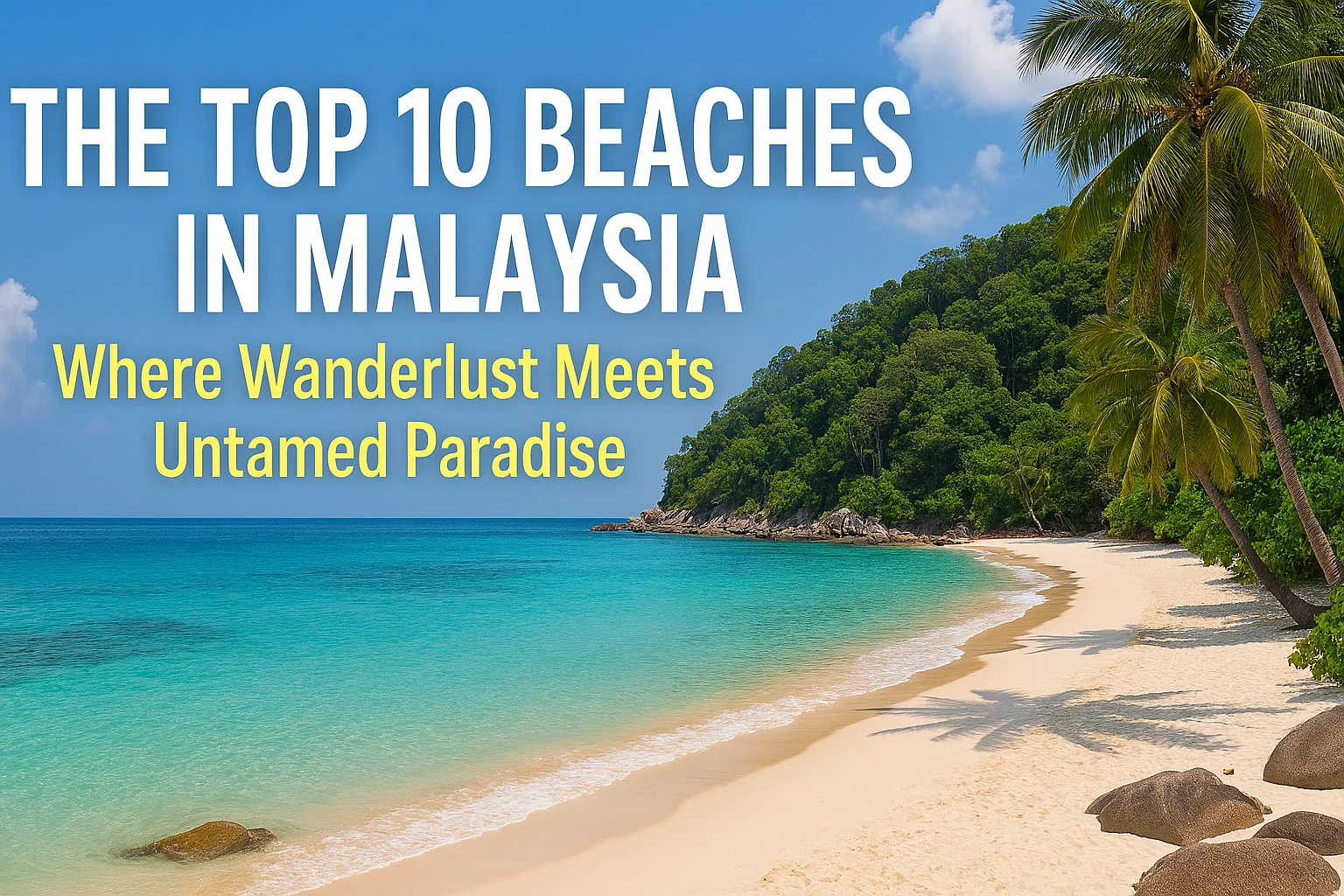
The ferry groaned as it pitched through the jade-green swells of the South China Sea, its engine sputtering a rhythm that suggested more hope than mechanical certainty. I sat cross-legged on the sun-bleached deck beside a German photographer, a Malaysian fisherman returning home, and three backpacks held together with duct tape and determination. We were bound for Perhentian Kecil, that fabled speck of limestone and coral off Terengganu’s coast, and I remember thinking: this is precisely the kind of precarious, beautiful journey that separates vagabonds from tourists.
That word—vagabond—deserves unpacking before we dive into turquoise waters. It’s not merely a romantic synonym for “backpacker,” though the Venn diagram overlaps considerably. To travel as a vagabond means embracing the unpolished edges of adventure: the overnight buses, the guesthouses where geckos outnumber electrical outlets, the meals eaten shoulder-to-shoulder with fishing families who speak no English but share their sambal anyway. It means choosing raw beauty and cultural depth over air-conditioned comfort, seeking beaches where the sunset isn’t framed by beach clubs but by the silhouettes of wooden boats and the call to prayer drifting from distant villages.
Malaysia offers vagabonds something increasingly rare in our Instagram-saturated age: legitimate undiscovered corners. While Thailand’s islands groan under the weight of full-moon parties and Bali’s beaches disappear beneath a tide of influencer tripods, Malaysia’s 4,800 kilometers of coastline remain remarkably uncrowded—if you know where to look. The country’s beach geography splits into two distinct personalities: the Peninsular’s east coast, where the South China Sea laps against fishing villages and jungle-fringed crescents of sand, shuttered during the November-to-March monsoon but gloriously alive the rest of the year; and Malaysian Borneo’s Sabah and Sarawak coasts, where the Sulu and Celebes Seas cradle remote atolls that still feel genuinely far-flung.
I’ve spent the better part of four years island-hopping across Southeast Asia, from the Andamans to the Phi Phi archipelago, and Malaysia’s beaches possess a particular magic. Perhaps it’s the way modernity and tradition coexist without friction—you might snorkel above pristine coral gardens in the morning and share roti canai with a Malay grandmother in her kampung kitchen by afternoon. Or perhaps it’s simply that Malaysia hasn’t yet been fully “discovered,” meaning you can still find beaches where the only footprints in the sand are yours and the monitor lizard’s who considers you the intruder.
What follows isn’t just another ranked list of pretty coastlines. This is a vagabond’s field guide to Malaysia’s most soulful beaches—places where your daily budget might be $25, where getting there requires patience and possibly questionable watercraft, where the rewards are measured not in five-star amenities but in the quality of silence, the taste of just-grilled ikan bakar, the privilege of watching sea turtles nest while the rest of the world sleeps. These are beaches that demand something of you—flexibility, resilience, respect—and repay that investment tenfold.
I’ve ranked them from wonderful to transcendent, from the accessible to the genuinely remote, always through the lens of what matters most to wanderers traveling light: authenticity, affordability, natural beauty, and that ineffable sense of having stumbled onto something the guidebooks haven’t quite ruined yet. Whether you’re a solo traveler seeking Robinson Crusoe solitude, a couple island-hopping on a shoestring, or simply someone weary of beaches that feel like open-air shopping malls, these ten stretches of Malaysian sand will restore your faith in coastal travel.
Let’s begin where the road ends and the real adventure starts.
10. Penarik Beach, Terengganu: The Mainland’s Best-Kept Secret

Most vagabonds racing up Malaysia’s east coast highway toward the Perhentians miss Penarik Beach entirely, which is precisely why it deserves your attention. This three-kilometer sweep of caramel-colored sand sits just north of Kuala Terengganu, buffered from development by its location within a traditional fishing community that’s been hauling nets here since long before tourism became an industry.
Penarik operates on a different temporal logic than resort beaches. Dawn breaks to the sound of diesel engines firing up and men calling to each other in Terengganuan Malay as they push boats into the surf. By 7 AM, the beach becomes a de facto fish market, the morning’s catch laid out on tarps while housewives haggle and seabirds circle overhead. It’s raw, functional, and absolutely captivating if you’re willing to wake before the sun.
The vagabond appeal here is atmospheric rather than recreational—Penarik isn’t Malaysia’s best swimming beach (the seabed slopes gently but the water can be murky from river outflow), but it offers something more valuable: an unfiltered window into coastal Malay life. Stay at one of the basic chalets behind the tree line (RM 50-80 per night, roughly $12-18), and you’ll find yourself adopted by the local rhythm. Fishermen will invite you onto their boats. The makcik running the tiny warung will remember how you take your teh tarik. Children will practice their English on you during the afternoon lull.
Getting here requires minimal effort—any bus heading north from Kuala Terengganu toward Kota Bharu can drop you at the Penarik junction (RM 5-8), followed by a short motorcycle taxi ride. The best months are April through September, when the South China Sea calms and the monsoon rains are distant memories. Come for sunset, when the fishing fleet returns and the sky turns the color of ripe mangoes, and you’ll understand why some travelers end up staying far longer than planned.
Practical note: Bring cash—there’s no ATM in the immediate vicinity, and the few guesthouses that exist don’t accept cards. Also, respect that this is a conservative Muslim fishing village; dress modestly, particularly when walking through the kampung.
9. Pasir Bogak, Pulau Pangkor: Accessible Island Escape

Pangkor Island often gets dismissed in backpacker circles as “too touristy,” which is both fair and misleading. Yes, the island’s west coast has been colonized by mid-range resorts catering to domestic weekend warriors from Ipoh and KL. But venture to Pasir Bogak on the southern shore, and you’ll discover a beach that’s found the sweet spot between accessibility and authenticity.
The sand here is legitimately golden—not the bleached white of coral atolls, but the warm amber of ancient river sediment—and it stretches for nearly two kilometers in a gentle arc. The water is calm enough for swimming year-round (Pangkor’s position in the Straits of Malacca shields it from monsoons), and shallow enough that you can wade out fifty meters and still be chest-deep. I’ve watched Malaysian-Indian families picnic here, children shrieking with delight while parents doze under rented umbrellas, and there’s something deeply democratic about a beach that serves both locals and wanderers equally well.
What makes Pasir Bogak work for budget travelers is its infrastructure. Guesthouses start at RM 40 ($9) for a fan room with the inevitable mandi shower, and many of the Chinese-run places have that wonderfully haphazard charm where the owner’s grandfather sits in the lobby playing mahjong while CNN plays on a TV held together with wire. The beachfront warung serve enormous plates of nasi goreng kampung for RM 8, and if you make friends with the right people, they’ll direct you to the worker’s canteen where that same plate costs RM 5.
The ferry from Lumut takes 40 minutes and costs RM 10 each way—this is significant because many Malaysian islands require considerably more effort and expense to reach. Tripadvisor’s Pangkor reviews consistently note how this accessibility doesn’t equate to overdevelopment; the beach maintains a sleepy, undemanding quality even during Malaysian school holidays.
Rent a motorcycle for RM 30 per day and you can explore Pangkor’s quieter corners: the Foo Lin Kong Temple clinging to a jungle hillside, the traditional fishing villages on the north coast where boats are still painted in the intricate patterns of Peranakan heritage, the secret cove near Teluk Nipah where monitor lizards sun themselves on driftwood.
Vagabond hack: Skip the overpriced resort restaurants entirely. The night market (pasar malam) sets up Tuesday and Friday evenings in Pangkor town, and for RM 15 you can feast on satay, rojak, and fresh-squeezed calamansi juice while sitting on plastic stools among locals.
8. Tengah Island (Batu Batu), Johor: Eco-Conscious Seclusion

Tengah Island exists in that narrow overlap between eco-luxury and vagabond possibility—an increasingly rare combination. This tiny speck in Johor’s Mersing archipelago hosts the award-winning Batu Batu resort, yes, but the island itself remains largely undeveloped, its 500 acres of jungle home to hornbills, silver-leaf monkeys, and the kind of silence that makes your ears ring.
Here’s the vagabond angle: while the resort caters to honeymooners with money, the island’s conservation program welcomes volunteers and researchers. Contact them months in advance (budget travelers have successfully arranged short stays in exchange for helping with turtle monitoring or coral surveys), and you might find yourself sleeping in rustic field station bunks for a fraction of resort rates, or sometimes just covering your food costs.
Even if you can’t wrangle a volunteer position, day trips from Mersing (arranged through local dive operators for around RM 150-200 including lunch and snorkeling gear) offer access to Tengah’s underwater magic. The coral gardens here survived the 2010 bleaching events better than most, and you’re likely to encounter blue-spotted stingrays, cuttlefish, and reef sharks in water so clear it feels like swimming through air.
What sets Tengah apart is its commitment to sustainable tourism—the resort operates on solar power, employs villagers from nearby islands, and maintains a strict no-plastic policy. This is the future vagabonds should support: travel that doesn’t extract and exploit but actually contributes to conservation. The island’s beaches are pocket-sized crescents of white sand bookended by granite boulders, and during nesting season (May through September), you might witness green turtles hauling themselves ashore to lay eggs—an experience that recalibrates your entire relationship to the natural world.
Access reality check: Getting to Tengah requires planning. Ferries to Mersing run from Singapore (4 hours, S$30-40) or by bus from Johor Bahru (2.5 hours, RM 20). From Mersing jetty, you’ll need to arrange boat transport, which runs on fisherman schedules rather than tourist ones. Best time is March through October; the northeast monsoon makes boat travel unreliable November through February.
7. Rawa Island, Johor: The Atoll of Simplicity

Rawa Island is where vagabonds go to remember why they started traveling in the first place. This minuscule island—you can walk its perimeter in 45 minutes—offers nothing but beach, sea, and the restorative power of doing absolutely nothing. No ATMs, no convenience stores, no WiFi in most accommodations (though some have started installing it, alas), no traffic, no noise pollution beyond the ambient symphony of waves and wind.
The island supports two resorts and a handful of basic chalets, but “resort” overstates the reality. We’re talking simple timber structures with thin mattresses, shared bathrooms, and the kind of food service where everyone eats the same set menu at communal tables. Rates start around RM 120 per person per night including three meals—not exactly backpacker prices, but reasonable given you’re paying for boat transfer, accommodation, and food on an island with no local population or infrastructure.
What you’re really paying for is the sand: powder-fine, blindingly white, and fringing water that transitions from pale turquoise to deep sapphire as the seabed drops away. The snorkeling is excellent just meters from shore—I’ve counted nine species of butterflyfish in a single drift, along with parrotfish, groupers, and the occasional reef shark patrolling the drop-off. The jungle interior is basically impenetrable (don’t try), but several trails wind around the coastline, and you can find perfect solitude on the island’s eastern beaches.
Rawa attracts a particular breed of traveler: couples seeking digital detox, solo wanderers with thick novels, the occasional artist working on watercolors beneath palm shade. The social scene revolves around sunset drinks on the beach and comparing sunburn severity, but it’s low-key and self-selecting—people come here precisely to escape the Full Moon Party energy.
The boat from Mersing takes about 45 minutes and costs RM 80-120 return depending on how many passengers they’ve rounded up. Operators prefer departing around 11 AM and returning around 3 PM the next day, though this is negotiable if you’re staying longer. Lonely Planet’s coverage of Rawa emphasizes its appeal for travelers seeking “unplugged island simplicity,” which is diplomatic phrasing for “there’s literally nothing to do but swim, sleep, and contemplate existence.”
Budget tip: Visit midweek during shoulder season (March-April, September-October) and you can often negotiate lower rates directly with chalet owners, especially if you’re staying three nights or more.
6. Mataking Island, Sabah: Diving Into Solitude

We’ve crossed now from Peninsular Malaysia to Borneo, where the ocean turns a different shade of blue and the islands feel genuinely remote. Mataking Island sits in the Celebes Sea off Semporna, and its split personality makes it fascinating for budget-conscious vagabonds who can handle some complexity.
The island is literally two islands at high tide—Mataking Kecil and Mataking Besar—connected by a sandbar that emerges twice daily. The larger island hosts a dive resort (upmarket, not budget-friendly), but through dive shops in Semporna, you can arrange day trips that offer extraordinary access to world-class diving for around RM 300-400 including gear and lunch. This is significant because Mataking’s underwater topography includes a stunning drop-off called “The Wall,” where the reef plummets from three meters to beyond recreational diving limits.
I’ve dived the Wall three times, and each descent felt like flying over an alien landscape: barrel sponges the size of oil drums, forests of gorgonian fans swaying in invisible currents, turtles cruising past with the bored indifference of commuters. The fish density here rivals anything I’ve seen in Southeast Asia—schools of jacks so thick they block out sunlight, sweetlips hovering under coral overhangs, the occasional eagle ray gliding through mid-water like a stealth bomber.
For non-divers, Mataking’s appeal is more limited but still worthwhile. The sandbar walk at low tide is surreal—you’re literally walking between two islands with ocean on both sides, the sand so white it hurts to look at without sunglasses. The snorkeling off the sandbar is excellent, and the beaches themselves are textbook tropical: powder sand, palm shade, water that stays bathwater-warm year-round.
The challenge is logistics. Semporna, the gateway town, has a complicated reputation—it’s gritty, poor, and has security issues related to its proximity to the Philippines border. Travel here requires vigilance and ideally arriving during daylight hours. But for vagabonds willing to navigate that reality, the rewards are substantial. Budget accommodations in Semporna run RM 30-50 per night, seafood meals cost RM 10-15, and the diving here remains significantly cheaper than comparable sites in Indonesia or the Philippines.
Safety note: Check current travel advisories before visiting Semporna and the surrounding islands. The situation has improved dramatically since the 2014 kidnapping incidents, but this remains an area where you should stay informed and exercise caution.
5. Lankayan Island, Sabah: Where Whale Sharks Wander
If Mataking is Semporna’s accessible diving highlight, Lankayan is its wild, more exclusive sibling. This tiny island—a 20-minute speedboat ride from the nearest landmass—sits in the Sulu Sea’s deep waters, and its position attracts truly spectacular marine life. Whale sharks. Hammerheads. Thresher sharks. Manta rays spiraling through the blue. Eagle rays cruising in formation.
Now, let me be honest: Lankayan challenges the budget traveler’s resources. The island has exactly one resort, and while it’s not extortionately priced by Maldivian standards, you’re looking at RM 600-900 per night including meals and diving. This is where strategic vagabonding requires creativity. Many travelers arrange single-night stays, maximizing dive time before returning to budget accommodations on the mainland. Others pair up to share costs or visit during the shoulder season (October-November, February-March) when rates drop 30-40%.
But here’s why Lankayan makes the list despite the cost: there are experiences worth splurging for, and swimming alongside a 7-meter whale shark is unquestionably one of them. I encountered my first whale shark here on an early morning dive, the animal appearing from the blue like a submarine, its spotted hide catching light as it vacuumed up plankton with complete unconcern for the slack-jawed humans hovering nearby. The dive guide signaled that we should stay calm and keep distance—whale sharks are gentle but also massive and potentially dangerous if startled. For fifteen minutes we drifted in parallel, and when it finally descended beyond visibility, I surfaced with tears mixing with seawater in my mask.
The island itself is unremarkable—a sandy spit with palm trees and the resort buildings—but the surrounding ocean is among the healthiest marine ecosystems I’ve encountered in Southeast Asia. National Geographic’s feature on Borneo diving specifically mentions Lankayan as an example of successful marine conservation, with visitor numbers carefully controlled and fishing strictly prohibited in the surrounding waters.
Vagabond strategy: If Lankayan is beyond your budget, consider the following compromise: stay in Sandakan (RM 40-60/night), arrange day diving trips through operators there (cheaper than Semporna), and allocate one or two nights at Lankayan as your splurge. The cost feels more manageable when framed as one exceptional experience in an otherwise budget trip.
4. Juara Beach, Pulau Tioman: Surfing Paradise Meets Jungle Mystique

Cross back over to Peninsular Malaysia, and we arrive at Tioman Island, that mountainous jungle fortress rising from the South China Sea like something from King Kong. While most visitors congregate on the west coast’s beaches (easier ferry access, better restaurants, more reliable electricity), vagabonds worth their salt know that Juara Beach, on the island’s isolated east side, is where Tioman’s soul resides.
Getting to Juara is half the adventure. From the main ferry landing at Tekek, you face two options: a bumpy, occasionally terrifying one-hour motorcycle ride over the central mountain ridge, or a 90-minute jungle trek that ascends through rainforest so thick the temperature drops ten degrees. I’ve done both multiple times, and while the bike ride is faster, the hike offers encounters with long-tailed macaques, monitor lizards, and bird calls you’ll swear come from Jurassic Park’s sound effects library.
Juara itself is a two-kilometer stretch of golden sand facing directly into the South China Sea’s swells. This is Malaysia’s only halfway-decent surf beach—”halfway-decent” being relative, as Southeast Asia isn’t Bali or Hawaii—with waves that occasionally reach overhead during the southwest monsoon (May-September). The breaks are inconsistent and the seabed rocky in places, but for surf-starved vagabonds, it’s better than nothing. More reliably, the beach offers powerful swimming, excellent bodyboarding, and the kind of wave action that feels exhilarating after too many days in Perhentian’s mill-pond conditions.
The village behind the beach maintains a sleepy, end-of-the-road atmosphere that’s increasingly rare in Malaysia. Guesthouses are basic wooden structures on stilts (RM 50-80), electricity comes from diesel generators that shut off around midnight, and the handful of restaurants serve simple grilled fish, fried rice, and banana pancakes that taste especially good after a morning in the surf. There’s a wonderful communal energy in the evenings, when travelers gather at whichever restaurant has the best fruit shakes and swap tales of jungle encounters and the one that got away.
Between May and September, Juara Beach becomes a sea turtle nesting site, and the village runs a small conservation project. Volunteers are sometimes needed, and even if you can’t commit to the full program, you can arrange to participate in evening patrols or morning hatchling releases. Watching baby turtles scramble toward the ocean under moonlight, their journey fraught with crabs and seabirds, is both heartbreaking and hopeful—a reminder of the fragile miracles happening nightly on beaches most people never see.
Practical reality: Juara’s isolation means limited supplies and higher prices. The few mini-marts stock basics but charge premium rates. Bring snacks, sunscreen, and any medications from Mersing before you ferry over. Also, note that Tioman is a duty-free island, meaning alcohol is significantly cheaper than mainland Malaysia—plan accordingly if sundowners are part of your beach routine.
3. Pulau Kapas: Hidden Powder-Sand Escape

Kapas Island remains puzzlingly underhyped in backpacker circuits, which means it retains an authenticity that more famous islands have lost. This small, forested island sits just six kilometers off Marang in Terengganu, close enough that the ferry ride takes barely 15 minutes (RM 40 return), yet far enough to feel genuinely removed from the mainland’s rhythms.
The island’s main beach is a curving kilometer of sand so fine and white it squeaks beneath your feet—the kind of sand that’s created by millennia of coral and shells being pulverized by waves and weather. The water is that specific shade of turquoise that exists nowhere else in nature except tropical shallows, clear enough that you can watch tiny fish darting between your toes while standing waist-deep. Kapas translates to “cotton” in Malay, and the name suits perfectly.
What distinguishes Kapas from similar islands is its scale. It’s small enough to explore completely in a few hours but large enough to offer genuine seclusion. Most visitors cluster near the main jetty’s beach, but walk fifteen minutes in either direction and you’ll likely have entire coves to yourself. The northern tip has excellent snorkeling—I’ve encountered schools of fusiliers, sweetlips, and even small blacktip reef sharks in less than five meters of water. The coral here took heavy damage during the 1998 bleaching event but has recovered remarkably well, a testament to Malaysia’s marine park protection programs.
Accommodations range from RM 60 fan rooms to RM 150 air-conditioned chalets, with most including breakfast (usually toast, eggs, and horrifyingly sweet instant coffee). The island operates on a “dinner package” system where most places charge RM 30-40 for an all-you-can-eat buffet—economical if you’re hungry, less so if you eat like a bird. Condé Nast Traveler’s roundup of Malaysia’s best beaches calls Kapas “the Perhentians’ quieter cousin,” which is both accurate and undersells how special this little island actually is.
The social scene here is minimal but pleasant—European backpackers mix with Malaysian families and the occasional solo wanderer escaping KL’s chaos. Evenings involve shared meals, card games by headlamp when electricity cuts out (frequent), and conversation that ranges from philosophy to the best laksa recipe. It’s the kind of low-key social environment that allows both connection and solitude, depending on your mood.
The island shuts down completely during monsoon season (November-February), and most operations close by 4 PM when the last ferry departs. This enforced disconnection is either delightful or maddening depending on your temperament. I find it restorative—there’s something profoundly peaceful about a place where your most complex decision is whether to snorkel before or after lunch.
Insider tip: Visit Kapas Island Resort’s small turtle conservation center at the island’s southern end. It’s free to visit, and staff are usually happy to explain their work. If you’re lucky, you might witness a hatchling release.
2. Long Beach, Perhentian Kecil: Social Yet Wild Backpacker Energy

We’ve arrived at the Perhentians, and if you’ve spent any time in Southeast Asian backpacker circles, you’ve heard the debate: Perhentian Kecil versus Perhentian Besar, Long Beach versus Coral Bay, development versus preservation, party versus peace. Let me offer a perhaps controversial take: Long Beach, despite its popularity, remains one of Malaysia’s most purely enjoyable beaches if you approach it with the right expectations.
Long Beach is exactly what its name suggests: a 800-meter sweep of white sand backed by budget chalets, dive shops, and restaurants with names like “Munchies” and “Ewan’s.” The water is reliably clear, shallow for the first twenty meters before dropping off over coral gardens that rank among Malaysia’s best. The vibe is unabashedly social—European gap-year students, Australian divers, Israeli backpackers fresh from military service, Malaysian university students on semester break. By day, everyone snorkels, naps in hammocks, and works on their tans. By night, the beach transforms into a string of bonfires and impromptu gatherings fueled by duty-free Chang beer and portable speakers.
This might sound like Koh Phangan Lite, and there’s truth to that comparison, but Long Beach maintains a crucial difference: the natural environment remains stunning enough to overshadow the human activity. Even during peak season (July-August), you can snorkel out to the coral and encounter blacktip sharks, turtles, and barracuda hovering in the blue. The water is so clear that visibility often exceeds 20 meters—you can literally see the sandy bottom five stories below.
The accommodation situation is pure budget backpacker heaven. Basic beach huts start at RM 50 ($11) per night in low season, though quality varies dramatically. Some are genuinely charming timber structures with mosquito nets and cold-water showers; others are plywood boxes that amplify every sound from neighboring rooms. Ask to see the room before committing, and don’t be shy about negotiating if you’re staying multiple nights.
Food on Long Beach follows the backpacker playbook: mediocre Western breakfasts (banana pancakes feature heavily), decent Thai-influenced curries, and fresh seafood grilled over coconut husks. Prices are higher than mainland but reasonable given that every ingredient arrives by boat. A filling dinner with beer runs RM 30-40. The best hack? Walk to the southern end where the fishermen’s shacks sell fresh-caught fish for a fraction of restaurant prices—the owners will grill it for you if you ask nicely.
Lonely Planet’s Perhentian coverage notes that Long Beach has seen significant development since 2015, and this is undeniable. The beach has more structures now, more people, more noise. But it’s also maintained better environmental practices than many comparable beaches—trash pickup happens daily, dive shops actively promote reef-safe sunscreen, and the marine park fees (RM 30 per person) actually fund conservation work. For vagabonds who enjoy social travel but still want excellent snorkeling and stunning natural beauty, Long Beach delivers.
Monsoon note: The Perhentians close completely from November through February when the northeast monsoon makes boat travel dangerous and most businesses shut down. Visit March-October, with April-June and September-October being the sweet spots before and after peak season crowds.
1. Coral Bay, Perhentian Kecil: The Ultimate Vagabond Haven

And so we arrive at the top, and I’m aware this might disappoint readers expecting something more obscure, more undiscovered. But hear me out: Coral Bay, Perhentian Kecil, is not ranked number one because it’s secret or unknown—it’s here because it represents the platonic ideal of what vagabond beach travel should be. It’s the place I return to mentally when city life becomes suffocating, the place I’ve recommended to more travelers than any other, the place that proves paradise can still exist even after it’s been “found.”
Coral Bay is Long Beach’s quieter, more contemplative sibling, accessible only by boat or via a jungle trail that crosses the island’s spine. The bay itself is a horseshoe of white sand maybe 400 meters long, bookended by granite boulders draped in jungle vegetation. The water is preternaturally calm—Coral Bay faces west, sheltered from the South China Sea’s swells—and so clear you can read titles on snorkelers’ books as they float on the surface reading.
What makes Coral Bay transcendent is the reef that begins literally five meters from shore. You wade in with mask and snorkel, and within seconds you’re hovering over coral gardens that host more biodiversity than seems possible. I’ve counted sessions where I encountered: green and hawksbill turtles grazing on seagrass, blacktip reef sharks patrolling the shallows, parrotfish grinding coral with their beaks (that crunching sound is oddly satisfying), clownfish defending their anemone homes with comical aggression, cuttlefish changing color like living mood rings, and once, memorably, a juvenile whale shark cruising through the bay like it owned the place.
The accommodations are vintage backpacker: wooden chalets on stilts (RM 60-120), shared bathrooms, electricity from 6 PM to midnight, and the kind of rustic charm where you accept that geckos are roommates, not intruders. The restaurants are simple affairs with sand floors and driftwood furniture, serving grilled fish, fried rice, and fruit shakes so thick you need a spoon. There’s no WiFi at most places, no ATMs on the entire island, and until recently, no reliable mobile signal.
This enforced disconnection is Coral Bay’s secret weapon. Without digital distractions, time moves differently. Days dissolve into a rhythm of snorkeling before breakfast, reading in hammocks, afternoon swims, sunset watching from the rocks at the bay’s southern end where you can see both the sun setting and the full moon rising simultaneously during certain months—a sight that makes you understand why ancient peoples worshiped celestial bodies.
The social dynamic here is perfect for vagabonds who value both community and solitude. You’ll meet people—fellow snorkelers comparing marine life sightings, other readers swapping paperbacks, couples who’ve been traveling Southeast Asia for months and have that weathered, contented look of people who’ve figured out the rhythm. But there’s also space for silence, for solo morning swims, for journaling under palm shade without feeling antisocial.
I spent three weeks on Coral Bay during my first visit, intending to stay three days. This is not unusual—the place has a gravitational pull that defeats itineraries. You tell yourself you’ll leave tomorrow, and tomorrow becomes next week, and next week becomes “I should probably go before I run out of money entirely.” The cost helps facilitate extended stays: at RM 60 per night for a room plus RM 40-50 for three simple meals, you can live here for under $30 daily, which by backpacker standards is sustainable long-term.
The bay isn’t perfect—it’s seen increased tourism pressure in recent years, and there are ongoing debates about development and carrying capacity. The coral has suffered some bleaching, particularly in shallower areas, though the deeper sections remain remarkably healthy. During Malaysian and Chinese holidays, the bay can feel crowded, though nothing like Thailand’s islands. But even with these caveats, Coral Bay remains extraordinary.
What clinches the number one ranking is something harder to quantify: Coral Bay has soul. It’s not just beautiful but also deeply restful in a way that expensive resorts, with their programmed activities and compulsory cheerfulness, never achieve. It allows you to simply be—to swim, read, nap, repeat. To watch sunset paint the jungle mountains gold. To fall asleep to waves and wake to bird calls. To remember that the best travel experiences aren’t Instagrammable moments but rather accumulated hours of contentment.
The ferry from Kuala Besut costs RM 70 return and takes about 45 minutes, with boats departing throughout the morning. You’ll need to pay the RM 30 marine park conservation fee at the jetty. Once on Perhentian Kecil, water taxis run between Long Beach and Coral Bay for RM 10-15, or you can hike over (45 minutes, occasionally muddy, bring water).
Final insider knowledge: Visit during the shoulder seasons (April-May or September-October) when the weather is perfect but crowds minimal. Book nothing in advance—just show up and walk the beach until you find a chalet that feels right. And bring reef-safe sunscreen; the coral here is too precious to poison with chemicals.
Beyond the List: The Vagabond Philosophy
These ten beaches represent more than just pretty coastlines—they’re an argument for a particular approach to travel. In an era of overtourism, Instagram-driven destination selection, and the homogenization of travel experiences into predictable packages, vagabond travel offers something genuinely countercultural: the willingness to move slowly, to accept discomfort, to prioritize authentic encounter over curated experience.
Malaysia’s beaches reward this philosophy. They’re not the most dramatic in Southeast Asia (that distinction belongs to Thailand’s limestone karsts or the Philippines’ island labyrinths), nor the most pristine (Indonesia retains more truly untouched coastline). But they offer something increasingly rare: accessible paradise that hasn’t yet been loved to death. You can still show up with a backpack, find a beach hut for $12, eat grilled fish caught that morning, and spend your days swimming in water so clear it feels like flying.
This accessibility comes with responsibility. The environmental challenges facing Malaysia’s beaches are acute: coral bleaching from rising ocean temperatures, plastic pollution from both visitors and local communities, development pressure as domestic tourism grows, and the perennial tension between conservation and economic development in communities where tourism offers one of few viable income sources.
As vagabonds, we’re part of this system whether we acknowledge it or not. Our presence—even budget, ecologically-minded presence—impacts these fragile ecosystems. The question becomes how we minimize harm while still allowing ourselves the transformative experiences that travel offers. This means: using reef-safe sunscreen (or rash guards), refusing single-use plastics, supporting businesses with visible environmental commitments,respecting marine park rules even when they’re inconvenient, and being willing to skip destinations that are clearly being damaged by overtourism.
It also means engaging with local communities as more than service providers. The fishing villages, the kampung families who rent beach chalets, the dive instructors and boat captains—these are people navigating complex modernization while trying to preserve cultural identity and natural heritage. Simple courtesies matter: learning basic Malay greetings, asking permission before photographing people, dressing modestly in conservative communities, paying fair prices without aggressive bargaining that extracts every last ringgit.
Practical Vagabond Strategies for Malaysian Beach Travel
Timing and Monsoons: Understanding Malaysia’s monsoon patterns is crucial. The Peninsular’s east coast (Perhentians, Kapas, Tioman, Terengganu beaches) closes November-February when the northeast monsoon brings rough seas and torrential rain. Borneo’s islands (Mataking, Lankayan) are year-round destinations but optimal March-October. The west coast and Pangkor Island are monsoon-immune.
Budget Reality Check: Daily costs on Malaysian beaches range wildly: Penarik or Pasir Bogak, you might spend RM 100-150 ($23-35) including accommodation, food, and transport. Perhentians and Kapas run RM 150-200 ($35-46). Borneo islands push RM 300-400 ($70-92) minimum. Always carry 20-30% more cash than you think you need—ATMs on islands are nonexistent, and card acceptance is limited.
Island-Hopping Itinerary: A solid two-week vagabond beach circuit: Fly into Kota Bharu → bus to Kuala Besut → Perhentians (5-7 nights, split between Long Beach and Coral Bay) → bus south via Kuala Terengganu to Marang → Kapas (2-3 nights) → continue south to Mersing → Rawa or Tioman (4-5 nights, Juara Beach if Tioman) → return via Johor Bahru. This covers the Peninsular’s best without excessive rushing.
Sustainability Checklist:
- Pack reef-safe/mineral sunscreen (zinc oxide or titanium dioxide)
- Bring reusable water bottle (refill from filtered water at guesthouses)
- Decline plastic bags and straws proactively
- Participate in beach cleanups if organized
- Choose dive operators with environmental certifications
- Support turtle conservation programs through donations/volunteering
- Leave marine life (shells, coral fragments, starfish) where you find it
Frequently Asked Questions
Best time to visit Malaysia beaches for budget travelers?
April-June and September-October offer the sweet spot: perfect weather on east coast beaches, smaller crowds than peak season (July-August, December-January), and opportunities to negotiate lower room rates. Avoid Malaysian school holidays (late-May, late-November, Chinese New Year) when domestic tourism spikes.
How much should I budget per day?
Budget travelers can manage on RM 100-120 ($23-28) daily on cheaper islands like Kapas or Pangkor: RM 50-70 accommodation, RM 40-50 food, RM 10-20 activities/transport. Perhentians and Tioman need RM 150-200 ($35-46). Borneo islands require RM 300+ ($70+). Add 30% buffer for unexpected costs.
Is solo travel safe on Malaysian beaches?
Generally very safe. Malaysia ranks among Southeast Asia’s safest destinations, and beach communities are typically welcoming to solo travelers. Standard precautions apply: secure valuables, avoid isolated areas after dark, trust your instincts. Solo women travelers consistently report positive experiences, though modest dress is appreciated, particularly on east coast (more conservative Muslim areas).
Can I wild camp on Malaysian beaches?
Technically illegal on most islands, particularly marine park areas. Some mainland beaches (like Penarik) have tolerant attitudes toward discreet overnight beach sleeping, but always ask permission from locals first. The money saved isn’t worth the risk of fines or confiscation of gear. Budget guesthouses are cheap enough that wild camping is rarely necessary.
Which beaches have the best snorkeling?
Coral Bay (Perhentian Kecil) offers the most accessible world-class snorkeling—walk from shore into thriving reefs. Mataking and Lankayan (Sabah) have superior diversity and visibility but require diving trips. Kapas and Rawa offer excellent intermediate options. Juara Beach is poor for snorkeling due to wave action and rocky seabed.
A Final Reflection: The Sunset Principle
I want to end with something a fisherman told me on Penarik Beach during my first visit to Malaysia. We were sitting on his boat, which was pulled up on sand still warm from the day’s sun, watching the sky turn impossible shades of orange and violet. He spoke limited English, I spoke terrible Malay, but we managed.
“Every sunset is free,” he said, gesturing at the horizon. “Rich man, poor man—same sunset.”
It struck me then, and strikes me still, as the essential truth of vagabond beach travel. The sunsets on Coral Bay cost nothing. The sea turtles gliding through Kapas’s shallows don’t check your bank balance. The stars above Juara Beach—dense and brilliant away from light pollution—shine equally for everyone willing to look up.
Yes, some resorts have fancier beds and better cocktails and infinity pools that blur into the ocean. But the ocean itself, the actual raw experience of warm water and white sand and that particular quality of light that only exists at tropical latitudes—that’s available to anyone with the price of a ferry ticket and the willingness to sleep in a plywood shack.
Malaysia’s beaches offer vagabonds something precious: the possibility of transcendent experience on a everyday budget. They prove that paradise isn’t gated behind five-star resorts, that the best travel experiences often happen in the spaces between plans, that sometimes the rickety ferry journey is as important as the destination.
So book the bus to Kuala Besut. Accept that the guesthouse will be basic and the shower cold. Bring reef-safe sunscreen, a good book, and an open mind. The beaches are waiting, and they don’t care about your Instagram follower count or your credit limit. They care only that you show up ready to swim, to wonder, and to remember why you started traveling in the first place.
The sunset, after all, is free. The rest is just details.
Discover more from Vagabond Diaries
Subscribe to get the latest posts sent to your email.


