
Destinations
Solo Travel Tips: Navigate Asia-Pacific with Confidence

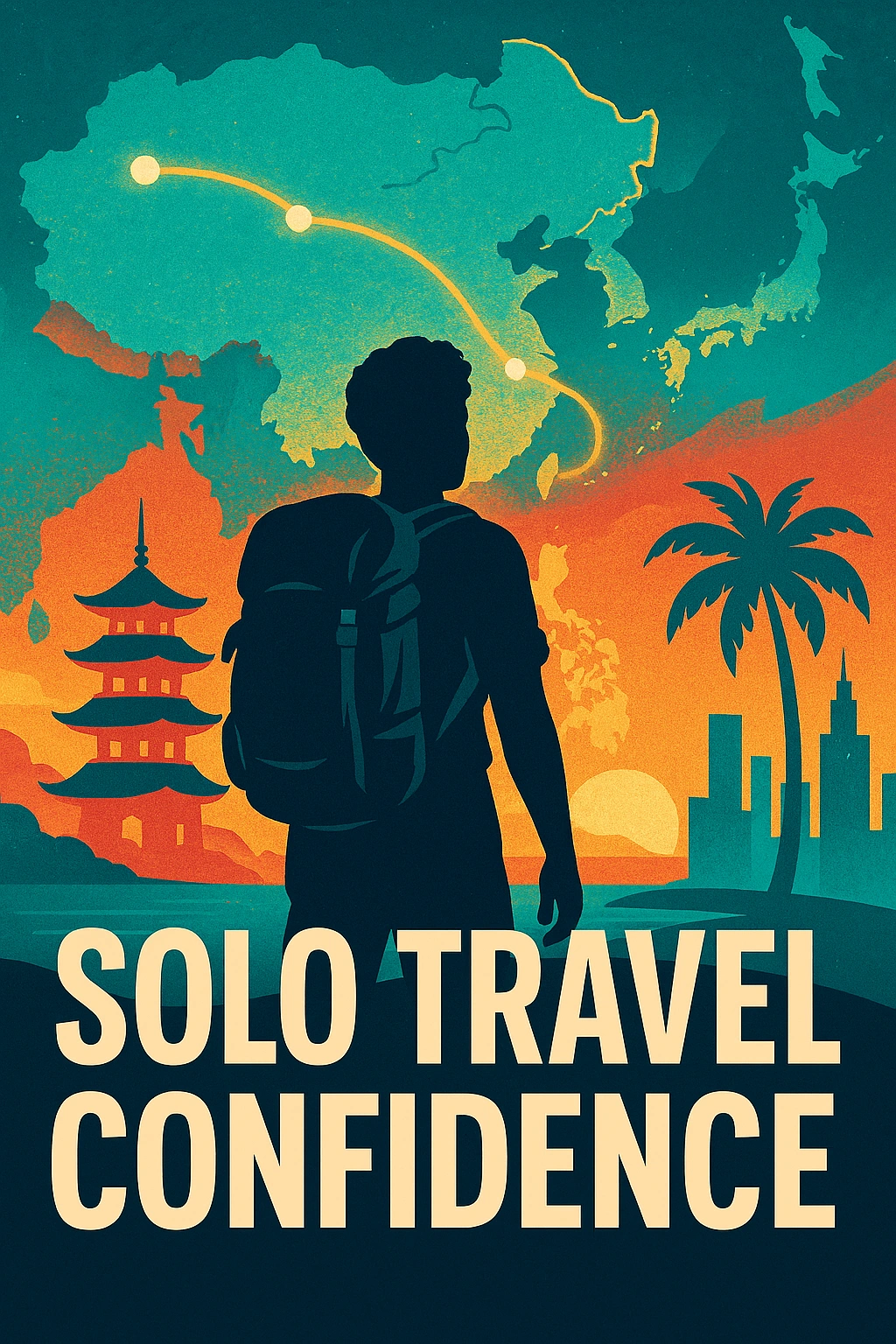
Master solo travel in Asia-Pacific with expert safety strategies, budget tips, and connection advice. Daily costs from $15-50 USD make this region perfect for independent explorers.
Solo travel in Asia-Pacific has exploded by 42% since 2022, with independent travelers seeking authentic cultural experiences across diverse destinations. This region offers unparalleled opportunities for personal growth, cultural immersion, and adventure at incredibly affordable prices.
Solo travel means traveling destinations independently, making your own decisions, and embracing spontaneous discoveries. Asia-Pacific emerges as the ideal region for independent travelers due to excellent infrastructure, diverse cultures, and budget-friendly options that make extended travel financially viable.
Common concerns include personal safety, planning overwhelm, cultural barriers, and making meaningful connections. This comprehensive guide addresses each challenge with data-driven strategies, expert insights, and practical tools drawn from extensive traveler research and destination analysis.
Our coverage spans essential planning techniques, proven safety protocols, smart budgeting strategies, transportation mastery, accommodation selection, and community-building approaches that transform solo journeys into confident adventures.
Key Takeaways
Safety First: Thorough pre-trip planning and staying vigilant are your best protection tools against potential risks and unexpected situations.
Budget Smart: Southeast Asia offers incredible value with daily costs ranging from $15-50 USD, making extended travel accessible for various income levels.
Connect Easily: Modern apps and social accommodations make meeting fellow travelers simple through shared interests and planned activities.
Respect Cultures: Understanding local customs enhances safety and creates authentic experiences while building meaningful cultural connections.
Stay Flexible: Proper preparation allows for spontaneous adventures with confidence, balancing planning with adaptability for unexpected opportunities.
Planning Your Solo Asia-Pacific Adventure
Research and Preparation Essentials
Understanding local laws, customs, and common scams before departure creates your foundation for safe, respectful travel. Scammers target unprepared tourists, making research your primary defense against fraud and exploitation.
Official government travel advisories provide current security assessments, health recommendations, and emergency contact information. Register with embassy services to receive real-time updates about local conditions and access consular assistance when needed.
Create detailed itineraries including accommodation bookings, transportation reservations, and activity plans while maintaining flexibility for spontaneous experiences. Establish regular check-in schedules with trusted contacts who can monitor your progress and respond to emergencies.
“Understanding and respect local etiquette, as women’s independence may not be universally embraced” across different Asia-Pacific cultures, requiring sensitivity to varying social norms and expectations.
Smart Budgeting for Maximum Value
Daily costs in Southeast Asia range from $15-25 for budget travelers, $25-50 for mid-range experiences, and $50+ for luxury accommodations and activities. This affordability makes extended travel financially accessible compared to Western destinations.
Money-saving strategies include traveling off-season for reduced accommodation and activity prices, eating local street food instead of tourist restaurants, and using free walking tours, temples, beaches, and hiking trails for entertainment.
Budget breakdown by categories: accommodation (30-40% of daily budget), transportation (20-25%), food (25-30%), and activities (15-20%). Tracking expenses through apps like Trail Wallet or Trabee Pocket helps maintain financial discipline throughout your journey.
Visa Requirements and Documentation (2026 Updates)
Most Asia-Pacific countries offer visa-free entry or visa-on-arrival policies for US, UK, EU, and Australian nationals, typically allowing 30-90 day stays depending on destination and passport strength.
New ETIAS requirements starting in 2026 affect European travel for non-EU citizens, requiring advance electronic authorization. The UK’s ETA requirement beginning in 2026 impacts US nationals visiting Britain during Asia-Pacific itineraries.
Digital document storage using secure cloud services like Google Drive or Dropbox ensures access to passport copies, travel insurance policies, emergency contacts, and important reservations even if physical documents are lost or stolen.
With solid planning foundation in place, let’s address the most important aspect of solo travel: staying safe while traveling.
Essential Safety Strategies for Solo Travelers
Pre-Departure Safety Measures
Choose accommodations with excellent reviews, 24/7 reception staff, and safe neighborhood locations near transportation hubs and well-lit streets. Research neighborhoods using Google Street View and recent traveler reviews to assess area safety.
Comprehensive travel insurance covering medical emergencies, trip cancellation, theft, and evacuation costs provides financial protection against unexpected expenses. Compare policies to ensure coverage matches your planned activities and destinations.
Emergency contact planning includes local embassy and consulate information, trusted home contacts, accommodation details, and backup communication methods. Store this information both digitally and in hard copy formats.
Technology preparation involves downloading safety apps, offline maps, translation tools, and ensuring portable chargers maintain device functionality throughout your travels.
On-the-Ground Protection Tactics
Research shows that staying vigilant and trusting instincts prevents the majority of travel incidents, making awareness your most effective safety tool. Criminals target distracted, obviously foreign, or isolated travelers.
Anti-theft equipment includes hidden money belts for important documents, anti-theft bags with locking zippers and cut-resistant straps, and TSA-approved luggage locks for accommodation security.
Situational awareness techniques involve scanning environments for potential threats, avoiding isolated areas especially after dark, and maintaining confident body language that discourages opportunistic criminals from approaching.
Common Asia-Pacific scams include overcharging tourists, fake police checkpoints, gem scams, and accommodation booking fraud. Research destination-specific scams before arrival and remain skeptical of unsolicited help or too-good-to-be-true offers.
Transportation safety requires using official taxi services or licensed ride-sharing apps, avoiding unlicensed motorcycles or unmarked vehicles, and never hitchhiking regardless of local customs or perceived safety.
Technology for Solo Travel Security
Essential safety apps include location sharing with trusted contacts, emergency alert systems, and offline navigation tools that function without internet connectivity. Apps like bSafe and Life360 provide real-time location sharing and panic button functionality.
Offline navigation tools like Maps.me and Google Maps offline features ensure navigation capability without data roaming charges. Download maps for entire regions before departure to avoid connectivity issues.
Social media safety requires careful sharing practices, avoiding real-time location posts, and maintaining privacy settings that prevent strangers from tracking your movements or identifying vulnerability windows.
Emergency contact systems should include local emergency numbers, embassy contacts, accommodation information, and trusted home contacts accessible through multiple communication channels including voice, text, and internet messaging.
Blending In and Cultural Respect
Dress appropriately for local customs by covering shoulders and knees, especially when visiting religious sites or conservative communities. Research country-specific dress codes to avoid unwanted attention or cultural offense.
Learn key phrases in local languages for basic communication including greetings, thank you, numbers, and emergency phrases. Language apps like Duolingo or Google Translate provide pronunciation guides and offline functionality.
Understanding cultural norms around personal space, eye contact, bargaining, tipping, and social interactions helps navigate social situations respectfully while reducing chances of misunderstandings or conflicts.
Respect photography etiquette by asking permission before photographing people, avoiding flash photography in temples or sacred spaces, and understanding that some cultures consider photography intrusive or spiritually inappropriate.
Category Items Purpose Security Money belt, anti-theft bag, portable safe Protect valuables from theft Communication Local SIM card, portable charger, offline maps Stay connected and navigate Documentation Passport copies, emergency contacts, insurance Quick access to important information Health First aid kit, prescription medications, water purification Address medical needs immediately
While general safety applies to all solo travelers, women face unique considerations that require special attention and preparation.
Special Considerations for Solo Female Travelers
Understanding Gender-Specific Risks
Research indicates heightened risks of sexual harassment and assault for solo female travelers, particularly in countries where women’s independence isn’t culturally normalized. Awareness and preparation reduce vulnerability to these specific threats.
Cultural attitudes toward women’s independence vary dramatically across Asia-Pacific countries, from progressive acceptance in places like New Zealand and Singapore to more conservative expectations in rural areas of Southeast Asian countries.
Recognizing potentially dangerous situations includes unwanted attention from men, isolated locations without other people present, excessive alcohol consumption by yourself or others, and accommodation situations without proper security measures.
Building confidence through preparation and knowledge empowers women to travel safely while maintaining the independence and adventure that makes solo travel rewarding and personally growth-focused.
Cultural Sensitivity and Dress Codes
Conservative dressing guidelines require covering shoulders and knees, especially at religious sites like temples and mosques. Many Asia-Pacific cultures view exposed skin as disrespectful or inappropriate, particularly for women.
Country-specific cultural norms vary, from liberal dress codes in Australia and Japan to strict modesty requirements in Indonesia and Malaysia. Research destination-specific expectations before packing and arriving.
Balance personal comfort with cultural respect by packing lightweight, breathable fabrics that provide coverage while maintaining comfort in tropical climates. Scarves and cardigans offer flexible coverage options for various situations.
Managing social interactions requires understanding local gender roles, recognizing that some cultures limit women’s social freedom, and handling these restrictions while maintaining personal safety and respect for local customs.
Practical Safety Measures for Women
Accommodation selection should prioritize women-only hostels when available, well-reviewed establishments with strong security measures, and locations in safe neighborhoods with good lighting and foot traffic.
Transportation considerations include avoiding isolated areas, using reputable ride-sharing services or official taxis, and trusting instincts about driver behavior or vehicle conditions that seem unsafe.
Social situations require recognizing manipulation tactics, maintaining clear boundaries about personal information and plans, and avoiding excessive alcohol consumption that impairs judgment and increases vulnerability.
“Have a working mobile phone with a local SIM, use maps (offline if needed), and stay connected with others” through regular check-ins and location sharing with trusted contacts who can monitor your safety.
Empowerment Through Preparation
Build confidence through research and skill development including basic self-defense techniques, situational awareness training, and emergency response planning that prepares you for various scenarios.
Connect with other female travelers through online communities like Female Travel Bloggers, Solo Female Traveler Network, and destination-specific Facebook groups that share real-time advice and support.
Learn from experienced solo female travelers’ advice through blogs, podcasts, and social media accounts that provide honest assessments of destinations, safety considerations, and empowerment strategies for confident independent travel.
Beyond safety considerations, successful solo travel requires mastering the practical elements of transportation, accommodation, and daily logistics.
Mastering Transportation and Accommodation
Getting Around Asia-Pacific
Local transportation options include buses for budget-friendly overland travel, trains for comfortable medium-distance journeys, and domestic flights that become affordable when booked in advance through local carriers.
Domestic flights offer good value when booked 2-3 weeks ahead, often costing less than bus tickets while saving days of travel time. Budget airlines like AirAsia and Jetstar provide extensive regional networks.
Motorbike rentals represent popular transportation for experienced riders, offering flexibility and adventure while requiring proper licensing, helmet use, and awareness of varying traffic conditions and road quality standards.
Use Rome2Rio and similar route-planning tools to compare transportation options, prices, and travel times between destinations. These platforms integrate multiple transportation modes for comprehensive journey planning.
Transportation safety tips include verifying driver licenses and vehicle registration, avoiding overloaded vehicles, using seatbelts when available, and maintaining awareness of local driving standards and road conditions.
Accommodation Strategies
Budget-friendly options include hostels for social interaction and cost savings, guesthouses for local cultural immersion, homestays for authentic family experiences, and locally-owned hotels for supporting community economies.
Alternative accommodations like Couchsurfing provide free lodging with local hosts, while house-sitting opportunities offer comfortable accommodation in exchange for property care responsibilities.
Booking strategies balance advance reservations for popular destinations and peak seasons with walk-in flexibility for spontaneous travel and potential last-minute deals in less touristy areas.
Safety features to prioritize include 24-hour reception or security, secure luggage storage, good lighting in corridors and entrances, and positive recent reviews from solo travelers, particularly women.
Solo traveler-friendly amenities include common areas for meeting other guests, organized activities and tours, reliable WiFi for communication, and helpful staff who provide local recommendations and assistance.
Managing Daily Logistics
Money management involves carrying multiple payment methods including local currency for small vendors, international debit cards for ATM withdrawals, and backup credit cards for emergencies and larger purchases.
Communication options include local SIM cards for affordable data and calling, WiFi availability in most accommodations and cafes, and international roaming plans for backup connectivity during remote travel.
Food safety practices include choosing busy local restaurants with high turnover, avoiding ice in questionable establishments, and maintaining confidence while dining alone by bringing books or using devices for comfortable solo dining experiences.
Shopping and bargaining tips for local markets include researching fair prices beforehand, maintaining friendly but firm negotiation styles, and understanding that bargaining is expected in most Asia-Pacific market cultures.
While practical logistics keep you moving, the real magic of solo travel happens when you connect with fellow adventurers and local communities.
Building Connections and Community
Modern Tools for Making Friends
Meetup apps like Fairytrail connect travelers with similar interests for group activities, Tandem facilitates language exchange partnerships with locals, and Nomads brings together remote workers and long-term travelers for co-working and social events.
Local messaging groups through WhatsApp and Telegram create destination-specific communities where travelers share real-time tips, organize meetups, and provide mutual support for navigation, safety, and social connection.
Making connections while traveling solo through social media groups specific to solo travelers in Asia-Pacific regions offer destination advice, travel partner connections, and ongoing support networks that extend beyond individual trips into lasting friendships.
Social Accommodation Benefits
Hostel culture centers around common areas designed for natural interactions, including shared kitchens, lounges, and outdoor spaces that facilitate conversation and connection among international travelers.
Group activities and tours organized through accommodations provide structured opportunities to meet fellow travelers while visiting destinations together, reducing costs through shared transportation and guide fees.
Shared experiences like cooking classes, walking tours, adventure activities, and cultural events create natural bonding opportunities with other travelers who share similar interests and travel styles.
Connecting with Local Communities
Volunteer opportunities provide cultural immersion while contributing to local communities through teaching English, environmental conservation, construction projects, or community development initiatives that create meaningful connections.
Language exchange programs and conversation cafes offer structured environments for meeting locals interested in cultural exchange, practicing languages, and sharing perspectives about travel and local life.
Local festivals and community events provide authentic cultural experiences while meeting residents and other travelers interested in genuine cultural participation rather than superficial tourist activities.
Respectful approaches to cultural learning involve asking permission, showing genuine interest, avoiding assumptions, and reciprocating cultural sharing by discussing your own background and experiences with interested locals.
Maintaining Healthy Boundaries
Recognize genuine connections versus potential exploitation by trusting instincts about people’s motivations, avoiding oversharing personal information too quickly, and maintaining skepticism about financial requests or business opportunities.
Trust instincts about people and situations, including uncomfortable feelings about individuals, groups, or locations that seem potentially dangerous or inappropriate for solo travelers, especially women.
Balance social interaction with personal safety by meeting new acquaintances in public places, informing trusted contacts about plans, and maintaining independent accommodation and transportation arrangements.
Manage solo time and social time effectively by recognizing when you need personal space for reflection and planning, while also remaining open to social opportunities that enhance your travel experience.
Armed with safety knowledge, practical skills, and connection strategies, you’re ready to embrace the potential of solo travel in Asia-Pacific.
Conclusion
The four pillars of successful solo travel include thorough planning that builds confidence, safety awareness that prevents problems, practical logistics that maintain smooth operations, and social connections that create meaningful experiences and lasting memories.
Preparation builds confidence for authentic cultural experiences by reducing uncertainty, providing backup plans for challenges, and creating frameworks for respectful cultural engagement that benefits both travelers and local communities.
Asia-Pacific solo travel offers exceptional value with daily budgets ranging from $15-50 USD, making extended travel financially accessible while providing diverse cultural experiences across dozens of unique destinations and adventure opportunities.
Start with thorough destination research, safety preparation, and gradual independence building through shorter trips that develop confidence and skills for longer, more adventurous solo journeys.
Begin planning today with destination research, safety preparation, and connecting with solo travel communities that provide ongoing support and inspiration for your independence journey.
Confident solo travel emerges from knowledge, preparation, and trusting yourself to handle challenges while remaining open to unexpected opportunities and personal growth that changes perspectives and capabilities.
Frequently Asked Questions
Q: How much money do I need for solo travel in Asia-Pacific? A: Daily budgets range from $15-25 for budget travelers using hostels and local food, $25-50 for mid-range comfort, and $50+ for luxury experiences. Plan additional funds for activities, visas, and emergencies.
Q: Is Asia-Pacific safe for solo female travelers? A: Yes, with proper preparation and awareness. Choose well-reviewed accommodations, dress conservatively, trust instincts, maintain regular communication with home, and research destination-specific safety considerations before arrival.
Q: What are the visa requirements for Asia-Pacific travel? A: Most countries offer visa-free or visa-on-arrival options for Western passport holders, typically allowing 30-90 day stays. Requirements vary by nationality and destination, so research specific requirements for your passport and planned countries.
Q: How do I meet other travelers while traveling solo? A: Stay in hostels with common areas, join organized tours and activities, use travel apps like Meetup and Nomads, participate in local events, and connect with online travel communities specific to your destinations.
Q: What essential items should I pack for solo travel? A: Include money belt, anti-theft bag, portable charger, first aid kit, copies of important documents, local SIM card, offline maps, appropriate clothing for cultural norms, and any prescription medications you require.
Discover more from Vagabond Diaries
Subscribe to get the latest posts sent to your email.


