
Airways
Airlines Reroute Around Dubai and Doha as Iran War Reshapes Long-Haul Travel 2026

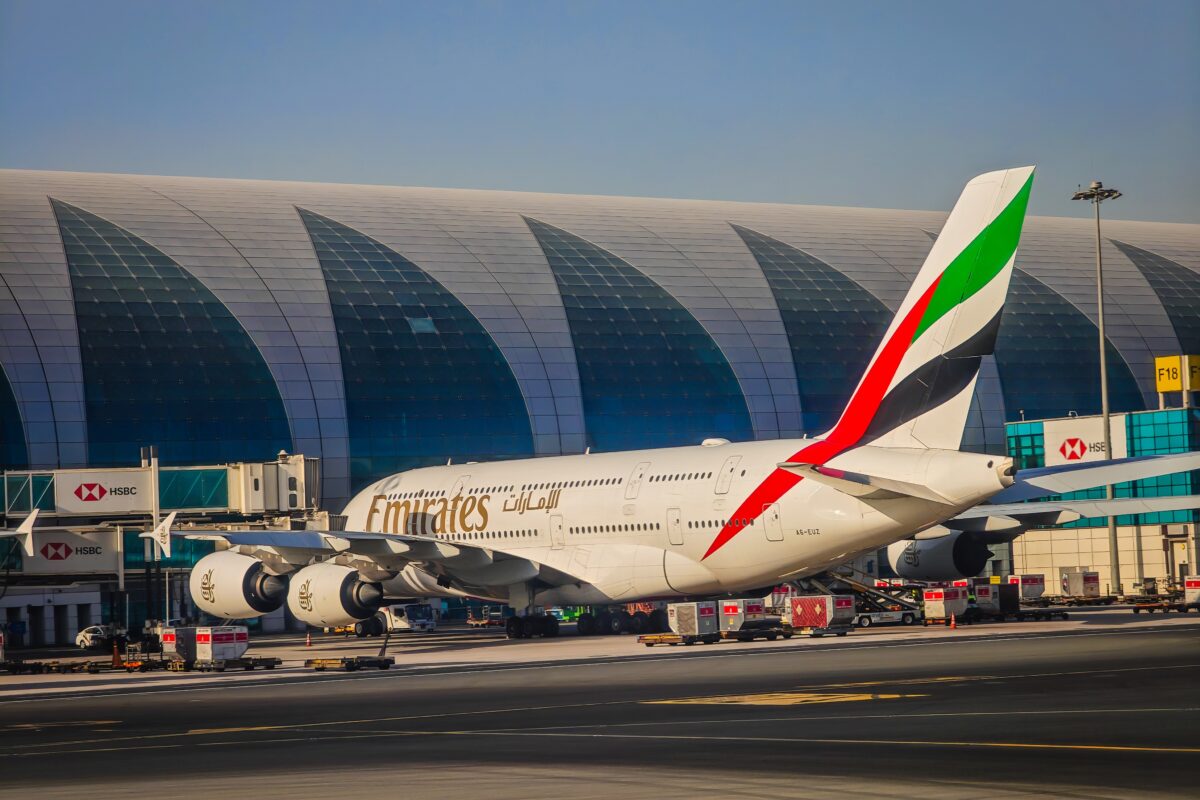
or two decades, the Gulf’s “big three” carriers — Emirates, Qatar Airways, and Etihad — built some of the world’s most profitable route networks on a simple premise: passengers flying between Europe, Asia, Africa, and Australia would gladly connect through Dubai, Doha, or Abu Dhabi in exchange for superior service and competitive fares. That model is now facing its most serious test in years, as the ongoing Iran conflict reshapes both airline route planning and traveler psychology around Gulf connections.
The Data: Travelers Are Choosing to Fly Around, Not Through
The shift is measurable, not anecdotal. Coverage tracking European aviation trends found that travelers seeking to avoid once-popular stopover hubs like Dubai and Doha are driving increased demand for long-haul direct routes, with European airlines actively expanding direct service to Asian and African destinations specifically to capture passengers no longer willing to route through the Gulf. This represents a structural shift in route economics: direct long-haul flights typically carry higher per-seat costs than hub-and-spoke connections, meaning airlines are betting that traveler risk-aversion around Gulf transit will persist long enough to justify the additional capacity investment.
Gulf carriers themselves have acknowledged the disruption directly. Etihad and Qatar Airways modified their loyalty programme requirements to reflect the reduction in air travel tied to the conflict — a rare public acknowledgment from carriers not typically eager to signal demand softness, and a sign that the impact has been significant enough to require changes to elite-status qualification thresholds that loyalty program members had been relying on.
The Whiplash Pattern: Suspensions, Resumptions, Suspensions Again
Gulf and regional aviation through 2026 has followed a volatile on-again, off-again pattern tracking the conflict’s escalation and de-escalation cycles. At various points, Qatar Airways extended flight suspensions while Emirates, Etihad, and flydubai continued operating reduced schedules; Virgin Atlantic separately resumed its scheduled Dubai-to-London route after a suspension period. This pattern of suspend-resume-suspend has itself become a market signal, with corporate travel managers and consumer booking behavior increasingly pricing in the possibility of last-minute disruption on any itinerary routing through the region — a psychological shift that may persist even once the underlying conflict resolves, given how thoroughly it has been reinforced across multiple disruption cycles.
Encouragingly for the region, August’s briefing showed signs of partial normalization: Qatar Airways resumed daily flights to Philadelphia and Air India restored daily Toronto service, both effective August 1 — evidence that Gulf-linked long-haul capacity is being incrementally restored even as the broader risk premium on Gulf transit remains elevated relative to pre-conflict norms.
The Premium Cabin Arms Race Continues Regardless
Notably, the disruption has not stalled Gulf and Asian carriers’ premium-product investment cycles. All Nippon Airways launched its newest business-class suite, “The Room FX,” on its first Boeing 787-9 aircraft this August, while three major airlines introduced upgraded business-class products in August alone — a sign that carriers are betting the current disruption is cyclical rather than structural, and that long-term premium-travel demand between Asia, Europe, and North America remains intact even as the specific routing preferences shift.
What This Means for Dubai and Singapore Specifically
For Dubai, the stakes extend well beyond aviation revenue. The emirate’s entire tourism, retail, and real estate ecosystem has been built partly around the assumption of continued growth in transit-passenger volume — travelers who stop for one or two nights, shop, and generate hospitality revenue beyond their connecting flight. Dubai’s Roads and Transport Authority has continued major infrastructure investment regardless, including a new three-lane bridge as part of the Oud Metha and Al Asayel Streets Development Project, while Dubai has separately awarded its Sustainable Tourism stamp to over 237 hotels — signals that the emirate’s underlying tourism infrastructure investment continues even as the aviation-transit model faces near-term headwinds.
Singapore, by contrast, stands to benefit as an alternative long-haul stopover hub for passengers actively avoiding Gulf routing, given Changi’s established position on Europe-Australia and Europe-Southeast Asia corridors that don’t require Gulf transit in the first place. The AMRO growth-forecast upgrade for Singapore noted elsewhere in regional economic coverage may partly reflect this kind of tourism and transit-passenger resilience, even though aviation was not the explicit driver cited in that forecast.
The UK Angle: A Double Cost Squeeze
UK travelers face a particularly acute version of this shift. Beyond route disruption, UK Air Passenger Duty changes took effect from April 1, 2026, with bigger increases applied to longer-haul flights and private jets — meaning UK travelers rerouting away from Gulf stopovers toward direct long-haul alternatives are simultaneously absorbing higher departure taxes on exactly the longer-duration direct routes that avoidance behavior is pushing them toward.
The Bottom Line
The Gulf stopover model — built over two decades on the assumption that superior service could overcome the friction of an extra connection — is facing its most serious real-world test since the carriers’ founding. Whether this proves a temporary conflict-driven disruption or a lasting redirection of global long-haul traffic toward direct routing will depend heavily on how quickly the underlying Iran conflict resolves, and how durably the risk-aversion habits formed over 2026’s repeated suspension cycles persist once it does.
Discover more from Vagabond Diaries
Subscribe to get the latest posts sent to your email.


